Ride Safe: Why Bicycle First Aid is Non-Negotiable for Every Cyclist
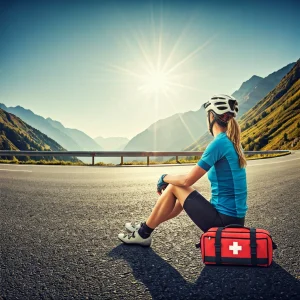
You’re rocketing down a descent at 35 mph. The car ahead slams on its brakes. Or maybe it’s a high-speed washout in a group ride. The crack of carbon, the screech of tires, the sudden, violent impact with asphalt – it happens. After a bike crash, seconds count, and improvisation rarely works. Knowing basic bicycle first aid isn't just helpful; it's the difference between a minor inconvenience and a permanent injury, or worse. This isn't about pleasant trail rides; it’s about real road trauma, the kind that leaves you staring at bone or bleeding freely onto the tarmac. You need to know what to do, and you absolutely need the right gear in your saddlebag. Let's discuss what actually works and what to carry in a bike first aid kit.
Your Essential Cycling First Aid Kit
Forget the generic "family first aid kit" from the big box store. That's for splinter removal at a picnic, not a 25 mph meeting with gravel. Your cycling kit needs to be compact, robust, and packed with items that address specific road trauma. Here’s what earns its space, even with tight saddlebag real estate:
- **Wound Closure Strips & Hydrocolloid Dressings:** Ditch those flimsy Band-Aids. They peel off with the first bead of sweat and are useless against proper road rash. You need Steri-Strips to approximate gaping wounds and large hydrocolloid patches (e.g., DuoDERM) to manage significant abrasions. These create a moist healing environment, reduce infection risk, and stay put.
- **Saline Pods or Irrigation Syringe with Clean Water:** Antiseptic wipes sting and don’t effectively flush grit. You need to irrigate. Saline pods (like those for contact lenses, but larger) are sterile and perfect for flushing out embedded asphalt, gravel, or dirt from open wounds. Otherwise, a small, dedicated bottle of clean water and a small syringe (without the needle) for focused irrigation are your best bet.
- **Sterile Non-Adherent Pads (e.g., Telfa) & Rolled Gauze:** For serious bleeding or large abrasions, you need pads that won't stick to raw flesh. Keep a few 4x4 non-adherent pads. Back them up with a small roll of sterile gauze to apply direct, sustained pressure, especially for heavy bleeds where your main goal is to stop the flow.
- **Heavy-Duty Medical Tape (1-inch width):** This isn't for holding Band-Aids. This tape is for securing pressure dressings, splinting a suspected fracture, or stabilizing a dislocated shoulder until help arrives. It needs to adhere to sweaty, dirty skin and hold under stress.
- **Self-Adherent Wrap (e.g., Coban):** Better than a bulky Ace wrap for cycling. This elastic wrap sticks to itself, not your skin or body hair, making it ideal for compression on sprains or strains, securing dressings, or even creating an emergency splint without fumbling with clips.
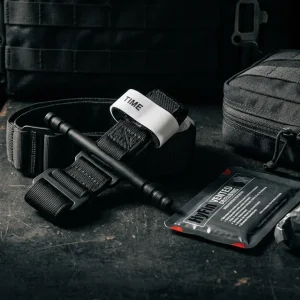
- **Triangular Bandage (Heavy Duty):** A multi-tool of first aid. Use it for an arm sling, a large head dressing, a makeshift tourniquet (with training), or to secure a splint.
- **CPR Face Shield:** If you’re giving rescue breaths to a stranger who’s just crashed, you want a barrier. Period. It's tiny, lightweight, and could save a life – yours included by protecting against infectious fluids.
- **Small Knife or Trauma Shears:** Cutting clothing away from an injury, snipping tape, or freeing yourself from tangled gear. Don't underestimate this.
- **Disposable Gloves:** Blood, sweat, dirt. Protect yourself and the injured person from cross-contamination. Nitrile gloves are tough and compact.
Stuff it all into a durable, truly waterproof, and highly visible pouch. And make sure it’s accessible without having to unpack your entire ride kit.
Handling Common Cycling Injuries
Knowing fundamental steps for common injuries can significantly impact recovery and prevent worsening conditions. On the road, minutes can feel like hours.
Road Rash & Lacerations
First, control bleeding with direct, firm pressure using your sterile gauze. Once bleeding is managed, prioritize irrigating the wound thoroughly. Use those saline pods or your dedicated clean water and syringe to flush out every speck of dirt, asphalt, and gravel. Any piece left embedded is a potential infection and a "tattoo" you don't want. Pat dry with non-adherent pads, then apply wound closure strips if the edges gape. For larger abrasions, apply a hydrocolloid dressing. Change dressings daily, always cleaning first, and watch closely for redness, swelling, pus, or fever – classic signs of infection that mean you need medical attention, pronto.
Sprains, Strains & Suspected Fractures
If you or a riding partner goes down hard and there's immediate, sharp pain, swelling, or deformity, assume a fracture. Do not try to "walk it off" or "test it." Immobilize that limb immediately. Use your self-adherent wrap and a triangular bandage or even a stout stick/pump as a splint. The goal is to prevent any movement of the injured part. For a sprain, compression with the self-adherent wrap can help reduce swelling. Forget instant cold packs; they’re often too small and ineffective. Your real "ice" is getting off the road and applying a proper cold compress. If there’s any doubt about bone integrity, severe pain, or inability to bear weight, your ride is over, and you need professional medical evaluation.
Serious Injuries: When to Call for Help
This is non-negotiable. For uncontrolled arterial bleeding (spurting, bright red), suspected spinal injury (high-impact crash, numbness, weakness, loss of consciousness), head injury (any loss of consciousness, confusion, vomiting), or a deeply penetrating object, your first action after ensuring scene safety is to dial 911 (or local emergency services) immediately. For heavy bleeding, apply firm, direct pressure with your rolled gauze. If it soaks through, do NOT remove it; add more gauze on top and maintain pressure. If you're trained, this is when you consider applying a tourniquet for life-threatening, uncontrollable limb bleeding. Do not remove penetrating objects; stabilize them in place to prevent further damage. Support injured limbs gently without attempting to reset them. Stay with the patient, keep them calm, and monitor their breathing and consciousness until emergency services arrive.
You can train for centuries, climb mountains, and ride thousands of miles, but without preparation for the inevitable crash, you’re betting against the odds. A properly stocked kit and real-world first aid knowledge don't just prepare you; they equip you to survive and help others survive. Don't leave your safety to chance; equip yourself with proper bicycle first aid skills and gear. Your life, or a friend's, might depend on it.
FAQ: Bicycle First Aid Preparedness
Why is a dedicated bicycle first aid kit necessary?
Because the trauma unique to cycling—like deep road rash, collarbone fractures, and impact injuries—demands specific gear. A generic kit often lacks the right wound dressings for severe abrasions, proper tapes for splinting, or the compact nature required for saddlebag carry. It’s about having precisely what you need, where you need it, without compromising on space or effectiveness when every second counts after a pile-up.
Can I just carry a standard first aid kit instead?
No. A "standard kit" is usually a bulky, inefficient collection of items ill-suited for on-bike carry or the brutal reality of cycling injuries. It’ll have too many small plasters and not enough large wound dressings or self-adherent wrap. You’re trading vital saddlebag space for items that are either irrelevant or inadequate for dealing with asphalt-induced trauma or high-speed impacts. A dedicated kit is specifically designed for the type of injuries you’re most likely to encounter, meaning it's streamlined and effective.
Is learning CPR essential for cyclists?
Absolutely. You're out there, often far from immediate help, frequently with other riders. Cardiac arrest, severe anaphylaxis, or profound shock from a crash can happen. Knowing CPR isn't just a "good skill"; it's a critical life-saving intervention. And carrying a CPR face shield protects both you and the person you're trying to save from fluid exposure. It's not just about "them"; it's about being competent and prepared to act when life is on the line, whether it's for a fellow rider or a pedestrian you encounter.