Kitchen Combat: Your Life-Saving Trauma Cache for the Line
A commercial kitchen isn't just a workspace; it's a high-octane battleground where speed, precision, and raw heat collide. Knives flash, oil sizzles, and steam billows. In this controlled chaos, catastrophe doesn't just "happen"—it strikes without warning, much like a high-speed washout on a technical descent. From a chef carving their own digit to deep fryer oil turning flesh to screaming tissue, immediate intervention is the only way to minimize permanent damage and keep the line from collapsing. You think about profit margins? I think about preventing an ambulance callout and keeping your crew from becoming casualties. Preparation isn't a suggestion; it's the difference between a controlled injury and a full-blown crisis that guts your team, similar to how a well-stocked repair kit keeps you from being stranded 100 miles from nowhere.
The First Bloody Minute: What You Do Next Matters
In the relentless churn of food service, seconds dictate outcomes. Swift, decisive treatment of injuries doesn't just "minimize complications"; it prevents permanent disfigurement, preserves function, and in extreme cases, might save a limb. This isn't about ticking a box for the health inspector; it's about maintaining operational integrity and protecting the hands that earn your bread. Forget "compliance"; this is about safeguarding your team when a situation goes sideways, hard and fast, just like assessing a downed rider after a group ride pile-up. Those first 60 seconds are everything.
This Ain't Your Momma's Boo-Boo Box: What Your Kitchen Actually Needs
A functional kitchen trauma kit is not some generic collection of minor supplies. It's purpose-built for the specific ways your crew gets mangled. A home first aid kit? That little plastic box from the drugstore with cartoon character plasters? It’s a joke. That's for scraped knees, not the aftermath of a full-send crash into a tree or a deep laceration from a meat slicer. It'll get someone fired, or worse, permanently injured. When a 10-inch chef's knife slips, or 350-degree fryer oil splashes, you need a cache designed for kitchen-specific trauma: deep lacerations that rival asphalt road rash at 25 mph, serious burns that penetrate tissue, and caustic chemical exposures. Anything less is negligence that jeopardizes your crew and your operations.
Your Trauma Kit: No Room for Fluff, Only Fact
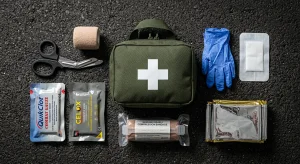
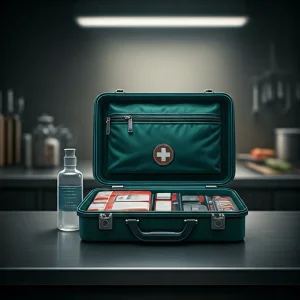
To be effective, your commercial kitchen first aid kit must contain specific, robust items designed for brutal realities, not minor scrapes. This isn't your saddle bag with room for gels and a spare tube; every item must earn its place. You need more than just "adhesive bandages." Forget those flimsy strips; you need industrial-grade, waterproof adhesive dressings. When a chef carves their thumb, you don't need a cartoon character plaster; you need something that will hold through sweat, water, grease, and repeated handwashing for the rest of the shift. Anything less will peel off within minutes, leaving the wound exposed.
- Pressure Dressings & Gauze: Not the thin, cheap stuff that falls apart when it gets wet. Think trauma pads designed to absorb massive blood loss, sterile 4x4s, and pressure bandages with serious elastic compression. That sliced hand needs continuous, firm pressure to staunch the flow, not just a covering. You're trying to stop a leak, not just dab it.
- Medical Tape: This isn't for show. You need tape that actually *sticks* when there's grease, flour, sweat, or a little blood on the skin. Forget the paper-thin roll; demand robust, waterproof adhesion that holds a dressing in place through a full shift, not just until the next handwash.
- Antiseptic & Irrigation: For a minor scratch, an antiseptic wipe is fine. But a deep cut needs more than a wipe; it demands a thorough, aggressive flush with sterile saline solution to physically remove contaminants and prevent infection, followed by a proper, robust antiseptic application. You clean that wound *deep* and hard, or infection will claim it, turning a bad day into a catastrophic one.
- Burn Care: Listen up: NO BURN CREAM for serious burns. This is a common, dangerous mistake that can make things worse. For screaming steam burns, hot oil contact, or stovetop searing, you need *cool, clean running water* for a solid 10-20 minutes—a continuous flow, not just a splash. Only after significant cooling should you apply sterile, non-adherent dressings. Burn creams often hold heat in or are contraindicated for certain burn depths, making the injury worse by trapping heat or causing secondary infections. The only immediate remedy for a serious burn is cold, clean water.
- Gloves: Not just any disposable gloves. You need thick, high-quality nitrile gloves. Because you're dealing with blood, vomit, and other bodily fluids. Protect *yourself* from pathogens, not just cross-contaminate the food. Your safety is paramount before you touch anyone else's wound.
- Eye Wash: More than a squirt bottle that runs out after two seconds. When a caustic cleaner or searing hot grease splatters an eye, a small bottle is a useless gesture. You need a full, sustained, gravity-fed eyewash station or large, sterile saline bottles designed for a continuous, uninterrupted flush to save that eyeball. Time is vision. Every second counts.
- Wound Closure: For significant lacerations that aren't gushing but gap open, butterfly closures or sterile strips can approximate the wound edges *before* they head to the ER for stitches. This isn't playing surgeon; it's damage control, holding things together to prevent further contamination and improve the eventual outcome when professional medical care arrives.