Your Essential First Aid Kit: Always Prepared, Never Out of Stock
The Unpredictability of Emergencies
In any environment, from a remote campsite to a bustling kitchen, unforeseen incidents can occur. Having a well-stocked first aid kit isn't just a recommendation; it's a necessity for immediate response. Being prepared means having the right tools to address injuries swiftly and effectively, potentially preventing minor issues from escalating.

Building Your Go-To Kit: Beyond the Basics
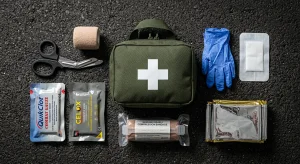
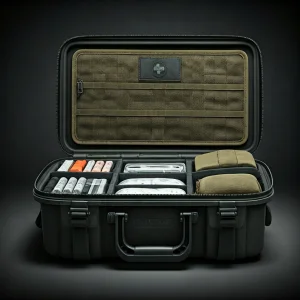
A robust first aid kit goes beyond a few band-aids. For common mishaps, comprehensive minor wound care supplies are paramount. Think antiseptic wipes, various bandage sizes, gauze, medical tape, and burn cream. Businesses like restaurants, for example, require specialized kits. A dedicated restaurant first aid kit should anticipate common culinary injuries, such as cuts and burns, alongside general accident provisions. Always ensure your kit is tailored to its specific environment.
Staying Ahead: Monitoring Essential Supply Stock
Critical first aid items can sometimes be in high demand or temporarily out of stock. Don't get caught unprepared! Utilizing features like "Notify me when back in stock" for crucial items ensures you're always informed. Proactive stock management for your first aid essentials guarantees that when an emergency strikes, your supplies are ready and available. Regularly check expiration dates and replenish used items.
What are the absolute must-have items for a basic first aid kit?
A basic kit should include bandages (various sizes), antiseptic wipes, gauze pads, adhesive tape, pain relievers, allergy medication, scissors, tweezers, and gloves. Customize further based on specific needs.
How frequently should I inspect and replenish my first aid kit?
It's best to check your kit every 3-6 months. Look for expired medications, depleted supplies, and items that have been damaged or are no longer sterile. Replenish as needed.
Why is a specialized restaurant first aid kit crucial for food service environments?
Restaurant environments present unique hazards like cuts, burns, and potential cross-contamination. A specialized kit will contain appropriate burn dressings, cut-resistant gloves, finger cots, and larger quantities of basic wound care, addressing these specific risks effectively.