Cycling embodies freedom—the open path, fresh air, and that perfect rhythm when everything clicks.
But let's face it: bikes have a knack for keeping things interesting.
One loose rock, an unexpected turn, a slippery trail section, and your relaxing ride instantly becomes a memorable "oops" moment.
Most riders find these situations aren't major emergencies. A small scrape from a fall, a blister after a long ride, or a minor bump while fixing your bike usually just needs basic attention. But miles from home on a mountain trail or quiet back road, having the right supplies on hand makes a huge difference.
That's where a reliable cycling first aid kit proves its worth.
It's not there to dampen the adventure or turn your bike into a rescue vehicle. Think of it as that silent riding partner, tucked away until you genuinely need help.
Why Mountain Biking Demands More Preparation
Compared to casual city rides, mountain biking and outdoor cycling involve more unpredictable scenarios.
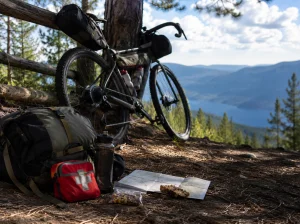
Dirt trails, rocks, roots, steep climbs, and remote routes are part of the fun—but they also mean you might be far from a store, car, or quick assistance.
A good mountain biking emergency kit helps riders manage common issues like:
- Scrapes and small cuts after a fall;
- Minor hand injuries from adjusting gear;
- Blisters from long rides;
- Small bumps and discomfort during outdoor activities.
The goal is simple:
Keep minor problems minor, preventing them from derailing your entire ride.
Because frankly, no one wants a small issue to overshadow an epic trail day.
What Belongs in a Cycling First Aid Kit?
A practical bike trail first aid kit doesn't need to be bulky. The best kit is usually the one you can easily carry and quickly access.
Useful cycling safety supplies often include:
- Adhesive bandages, various sizes;
- Gauze pads and medical tape;
- Cleaning wipes;
- Disposable gloves;
- Small scissors and tweezers;
- Elastic wraps;
- Blister care items;
- Basic emergency supplies.
When riding outdoors, every item has a purpose.
You don't want to rummage through your backpack for ten minutes looking for one tiny bandage. That's not the adventure anyone signed up for.
A well-organized kit lets you grab what you need fast and get back on the trail.
Why Organization Matters for Bikepacking
For riders undertaking longer trips, a bikepacking first aid kit must fit into limited space.
Your bike bag already holds essential gear:
Tools, spare tubes, snacks, water, lights, and navigation equipment.
The last thing you need is a messy emergency pouch where everything vanishes.
A compact, organized first aid kit with clear compartments makes finding supplies easier, even when tired, dusty, or facing a stressful outdoor situation.
A little preparation now means fewer headaches later.
Ride More, Worry Less
Preparing a first aid kit isn't about expecting disaster.
It simply means you're granting yourself more freedom to explore.
The best rides are those where you can focus on the scenery, the challenge, and the experience—knowing you have basic backup if your bike throws a surprise.
Because every cyclist knows:
The trail is unpredictable.
Your preparation doesn't have to be.
FAQ
1. Do I need a first aid kit for casual cycling?
For short rides close to home, a minimal kit might suffice. For mountain biking, long-distance cycling, or remote trails, carrying a cycling first aid kit is a wise choice.
2. What size first aid kit is best for mountain biking?
A compact and lightweight kit is generally better for mountain biking. It should fit easily into a backpack or bike bag without adding unnecessary weight.
3. Where should I store my bike trail first aid kit?
Keep it readily accessible, such as in a backpack, saddle bag, handlebar bag, or bikepacking storage pouch. Avoid burying it under layers of gear where it's hard to find.
4. What supplies are most useful for cycling injuries?
Commonly useful items include bandages, gauze, cleaning wipes, medical tape, gloves, scissors, tweezers, and blister care supplies.
5. Can a cycling first aid kit replace professional medical care?
No. A cycling first aid kit is designed for basic preparation and minor incidents. Serious injuries or emergencies require professional medical assistance.