Don't Forget the First Aid Kit: Essential Storm Season Prep
When storm season rolls around, most of us do the familiar: charge phones, stock food, fill water bottles, and check flashlights. This sounds prepared, but what happens when the power goes out, roads flood, and suddenly someone asks, "Where's the first aid kit?" Often, it's buried, out of sight and out of mind, until it's desperately needed.
Why a First Aid Kit is Non-Negotiable
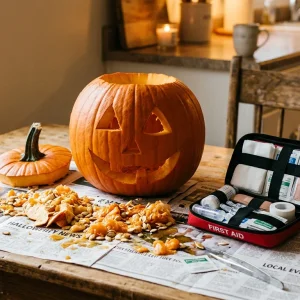
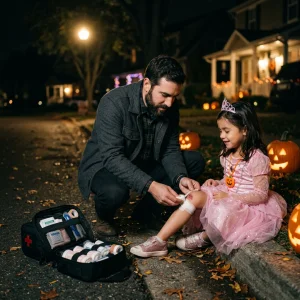
Stormy weather doesn't always mean a major emergency. It might be a simple scraped hand while securing patio furniture, a small cut from clearing branches, or a slip on a wet step. Ordinarily, these are minor incidents. But when heavy rain makes driving dangerous, having basic supplies readily available makes a world of difference. A well-stocked first aid kit ensures you can handle these everyday mishaps without leaving home.
Building Your Storm Emergency Kit
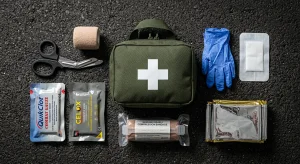
Your storm emergency kit doesn't need to be Hollywood-level survival gear. The goal is simple: keep essential basics together, easy to reach, and ensure no one has to embark on a scavenger hunt during a minor crisis. Alongside water, non-perishable food, flashlights, batteries, and power banks, a reliable first aid kit is paramount. Key items include adhesive bandages, gauze pads, medical tape, antiseptic wipes, alcohol pads, disposable gloves, scissors, tweezers, elastic bandages, burn dressings, and an emergency blanket. These aren't glamorous, but they are true MVPs when needed.

Strategic Placement for Quick Access
Where you store your first aid kit matters. Avoid burying it under old boxes in the garage. That’s how a crucial item becomes impossible to find. A hallway closet, kitchen cabinet, living room storage, or entryway shelf offers easy, memorable access for everyone in the household. It’s also wise to keep a compact first aid kit in your car. Heavy rain, detours, or flooded roads can extend trips unexpectedly, making a small kit, flashlight, water, and power bank invaluable for on-the-go preparedness.
Pre-Season Check-Up: Don't Skip It!
Before storm season hits, dedicate a few minutes to checking your supplies. Ensure antiseptic wipes aren't dried out, tape still adheres, gloves are intact, and anything previously used has been replaced. Your emergency kit is only as good as the condition of its contents. Preparedness isn't about assuming the worst; it's about being ready for life's unexpected turns, ensuring you have the right tools when you need them most.
FAQ: Your Storm Preparedness Questions Answered
What's the difference between a first aid kit and an emergency kit?
A first aid kit focuses specifically on medical supplies to treat injuries and illnesses. An emergency kit is broader, encompassing survival essentials like food, water, lights, communication tools, and often includes a first aid kit as one of its critical components.
How often should I check my storm emergency supplies?
It's best to check your storm emergency kit at least once a year, preferably before storm season begins. Replace expired medications, dried-out wipes, or anything used. Recharge power banks and check battery dates. A quick annual review ensures everything is ready.
Can I make my own first aid kit, or should I buy a pre-made one?
You can certainly build your own first aid kit, tailoring it to your family's specific needs and allergies. This allows for customization. However, buying a pre-made kit ensures you have a comprehensive selection of basic necessities often compiled by professionals, providing a great starting point.