Vehicle First Aid Kit Guide: Medical Gear That Actually Works in Critical Moments
Shattered glass on a high-speed highway, crushed frames, twisted metal—basic plastic band-aids won't keep someone alive. Most off-the-shelf car first aid kits are little more than plastic boxes filled with cheap adhesive tape and alcohol wipes. They handle minor finger cuts fine. In a high-speed collision or a breakdown miles out in the backcountry, they are virtually useless.
Whether you manage a commercial fleet or build a trauma kit for your personal vehicle, your gear must survive massive arterial bleeding, severe lacerations, and prolonged exposure to harsh environments. A serious vehicle trauma kit requires these field-tested items:
Severe Trauma & Hemorrhage Control
Blunt force impact and tearing metal in a crash cause catastrophic arterial bleeding. A patient can bleed out in under three minutes. Store-bought kits ignore this risk. Yours cannot.
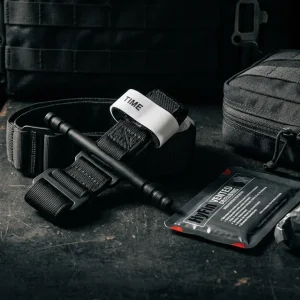
- Tactical Tourniquet: Stick to proven tourniquets like the CAT (Combat Application Tourniquet). Avoid cheap knockoffs—their plastic windlasses snap instantly under heavy tension.
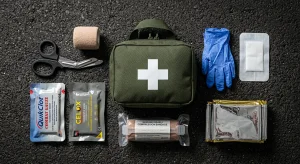
- Hemostatic Gauze: QuikClot or Celox. Loaded with clotting agents, these stop deep arterial bleeds in junctional areas like the groin or neck where tourniquets cannot reach.
- Pressure Bandage: 4-inch or 6-inch Israeli Emergency Bandage. Combines a non-adherent pad, pressure applicator, and closure bar so you can apply high-pressure dressings with one hand.
- Trauma Shears: 7.5-inch heavy-duty stainless steel shears. Standard scissors buckle against seatbelts or heavy denim. You need maximum mechanical leverage to cut through thick clothing in seconds.
- Heavy-Duty Nitrile Gloves: Pack at least two pairs of 5-mil or thicker latex-free gloves. Nitrile shields your hands against bloodborne pathogens, hot engine fluids, and sharp metal edges.
Everyday Wound Care & Fleet Compliance Standards
Fleet vehicles demand strict regulatory compliance. OSHA references ANSI Z308.1 standards for workplace first aid kits. For standard field operations or patrol vehicles, Class A kits represent the bare minimum. Heavy industrial sites, construction fleets, and high-risk transport require higher-capacity Class B kits.
Personal vehicles benefit from the same standard. Ditch flimsy plastic bandages that peel off under sweat or grease. Upgrade to woven fabric bandages that stay sealed on slick, working skin.
Include sterile 4x4 gauze pads, cohesive flexible bandages (Kling-type), BZK antiseptic wipes, and a 4 oz (120 ml) bottle of 0.9% sterile saline to flush battery acid or glass debris from eyes. Engine heat burns are common on the road—pack hydrogel burn dressings or cooling gels.
Essential Medications & Thermal Degradation
A car cabin is a harsh environment for medicine. Summer heat inside a parked vehicle tops 140°F (60°C); winter freezes liquid meds solid. Extreme heat breaks down active ingredients like aspirin fast.
Audit and replace vehicle medications every 6 to 12 months. Never leave loose blister packs sitting in a hot glovebox for years.
- Chewable Aspirin (81mg): Immediate administration during suspected acute coronary events (heart attacks) at the roadside.
- Diphenhydramine (Benadryl): Antihistamine for severe allergic reactions or insect stings miles from emergency care.
- Ibuprofen / Acetaminophen: Manages pain and fever while waiting for roadside assistance.
- Loperamide: Anti-diarrheal medication to prevent severe dehydration during long stretches between rest stops.
- Oral Rehydration Salts (ORS): Rapidly replaces electrolytes during high-temperature tire changes or roadside repair work to prevent heat illness.
Extraction, Lighting & Emergency Hardware
Treating injuries on an unlit highway at 2 AM requires dedicated hardware. You cannot hold a smartphone flashlight in your teeth while applying a pressure dressing with both hands.
Pack an adjustable LED headlamp directly inside your kit. Store batteries with an isolation tab or keep them separate to prevent parasitic drain from temperature swings. Mount a seatbelt cutter and glass breaker on the outside of the bag. If your car flips, you need immediate access—not five minutes spent digging through a dark cabin.
Mylar emergency blankets weigh almost nothing, reflect body heat back to the patient, and mitigate shock or hypothermia after a crash in freezing weather.
Specialized Additions: Children & Working K9s
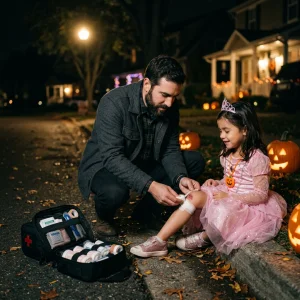
Children require precise pediatric dosing. For family vehicles, add liquid diphenhydramine and pediatric fever reducers along with calibrated dosing syringes.
If traveling with working dogs or pets, standard medical tape will not stick to fur. Include 2-inch and 4-inch self-adhering cohesive wraps (Coban). Severe pain causes even gentle animals to bite when you move a fractured limb—pack a fitted nylon muzzle so you can render aid safely.
Storage & Rapid Access Strategy
A kit buried under luggage in the trunk is useless when seconds count. Worse, an unsecured hard-shell box turns into a heavy projectile during a 60 mph rollover.
Mount a high-visibility red MOLLE trauma bag with a quick-release rip-away panel behind a front seat headrest, or secure a soft-sided kit under the passenger seat. Make sure every driver and passenger knows exact placement and can detach it blindfolded.
How often should you inspect and replace car first aid kit supplies?
Inspect supplies at least twice a year—ideally during seasonal transitions before summer heat and winter freezes. Check expiration dates on ointments, medications, and sterile packaging. Car temperature spikes break down adhesives, dry out wipes, and compromise sterile seals.
What is the difference between ANSI Class A and Class B commercial vehicle kits?
Under ANSI Z308.1 standards, Class A kits cover common workplace injuries in low-risk environments. Class B kits target high-risk, industrial, or heavy machinery operations, packing higher quantities of trauma dressings, larger burn care supplies, and broad splints.
How does summer car heat damage emergency medical supplies?
Extreme heat degrades active pharmaceutical ingredients, melts adhesive backings on tape, and degrades nitrile gloves into brittle rubber. Keep temperature-sensitive medications in a detachable mini-pouch to carry inside on hot days, or replace heat-exposed items annually during routine maintenance.