Your First Backpacking Trip: Essential Tips for Success
Embarking on your first overnight backpacking adventure is an exciting step beyond day hikes. While the freedom of the backcountry is immense, a little preparation goes a long way in ensuring a safe and enjoyable experience. Many seasoned hikers recall learning lessons the hard way, often by overpacking or under-preparing. To help you avoid common pitfalls, here are crucial hiking and camping tips designed to make your inaugural journey memorable for all the right reasons.
1. Test Your Essential Backpacking Gear
Before hitting the trail, conduct a full gear shakedown in your backyard. Set up your tent or hammock, inflate your sleeping pad, and try out your sleeping bag. Cook a simple meal using your backpacking stove. This practice run identifies any missing parts, broken equipment, or tricky setups, preventing frustration when you're miles from civilization. Getting comfortable with your essential backpacking gear beforehand is paramount.
2. Break in Your Boots
New hiking boots, no matter how comfortable they feel in the store, need to be broken in. Wear them around your house, on short walks, and on day hikes leading up to your trip. This molds the footwear to your unique foot shape and significantly reduces the risk of blisters, a common backcountry ailment that can quickly ruin a trip.
3. Master Your Map & Navigation
Understanding your route goes beyond knowing the trail name. Study maps (physical and digital), understand elevation changes, identify water sources, and note potential bail-out points. Learn basic compass skills or how to use your GPS device before you need it. Good navigation is a foundational element of all successful hiking and camping tips.
4. Pack a Comprehensive First Aid Kit
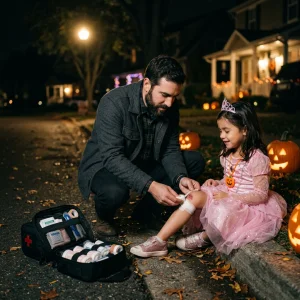
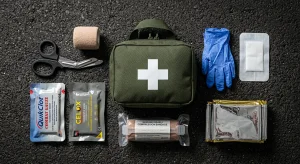
This is non-negotiable. Cuts, scrapes, blisters, sprains, and insect bites are common occurrences. Your first aid kit should include bandages, antiseptic wipes, pain relievers, moleskin for blisters, an ace bandage for sprains, and any personal medications. Knowing how to use these items is as important as having them. A well-stocked and accessible first aid kit is critical for managing unexpected emergencies in the wilderness.
5. Plan Your Nutrition and Hydration
Carefully plan your meals, considering calorie needs, weight, and ease of preparation. Practice cooking one of your planned meals on your stove to gauge fuel consumption. Hydration is equally important; know where you'll get water and carry a reliable filtration or purification system. Dehydration can quickly sap your energy and put you at risk.
6. Learn Basic Knots & Camp Skills
Knowing how to tie a few useful knots (like a taut-line hitch for guylines or a bowline) can make tent pitching or bear bagging much easier. Practice hanging a bear bag if your trip requires it. These small skills build confidence and preparedness.
7. Understand Leave No Trace Principles
Respect for the environment is crucial. Learn and practice the seven Leave No Trace principles. This includes proper waste disposal, minimizing campfire impacts, respecting wildlife, and staying on marked trails. Responsible hiking and camping tips ensure the wilderness remains pristine for everyone.
With these essential hiking and camping tips, your first backpacking trip will be safer, more enjoyable, and lay the groundwork for many more adventures to come. Happy trails!
FAQ: First-Time Backpacking
What is the most crucial piece of essential backpacking gear?
While many items are vital, a well-planned and tested shelter system (tent/hammock, sleeping bag, sleeping pad) is arguably the most crucial. It protects you from the elements, ensuring a good night's rest, which is fundamental for energy and safety on the trail.
How can I lighten my pack for my first trip?
Focus on multi-use items, ditch non-essentials, and choose lightweight versions of your gear. Weigh everything you plan to take; seeing the numbers often helps you cut items. Practice packing to optimize space and balance. Every ounce adds up over miles!
What if I encounter wildlife?
Educate yourself on the local wildlife before you go. Generally, it's best to keep your distance, store food properly (e.g., in bear canisters or hung bags), and make noise while hiking to avoid surprising animals. Carry bear spray if in bear country and know how to use it.