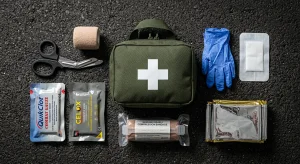
Safety First: Your Essential Restaurant First Aid Kit Checklist
In the fast-paced world of food service, a single moment can change everything. Accidents, injuries, and unexpected emergencies can strike kitchens and dining rooms without warning. Are you truly prepared to protect your team and your guests? Building a comprehensive restaurant first aid kit checklist is not just about compliance; it's about peace of mind and immediate readiness.
The Dynamic Environment of Food Service
From sizzling grills to bustling dining floors, restaurants present unique hazards. Common incidents include cuts from knives, burns from hot oil or surfaces, slips, falls, and even sudden allergic reactions or choking episodes. Rapid, effective first aid can significantly reduce the severity of these incidents, minimize downtime, and protect your most valuable assets: your people.
Your Comprehensive Restaurant First Aid Kit Checklist
OSHA requires adequate first aid supplies to be "readily available" (29 CFR 1910.151(b)) and points to the ANSI/ISEA Z308.1 standard. This means a compliant Class A or B kit, scaled by staff size and checked against state and local rules, is your baseline. Here’s what your kit should contain:
- **Wound Care:** Assorted adhesive bandages (including food-safe blue/metal-detectable options), sterile gauze pads, adhesive tape, antiseptic wipes, antibiotic ointment.
- **Burn Treatment:** Burn gel and sterile burn dressings.
- **Emergency Essentials:** Nitrile gloves, scissors, tweezers, CPR breathing barrier/shield, eyewash solution.
- **Specialized Items:** Instant cold packs, roller bandages, triangular bandages.
Ensure all items are within their expiration dates and ready for immediate use.
Beyond the Kit: Placement, Training, and Maintenance
Having a well-stocked kit is only half the battle. Strategic placement is crucial; kits should be clearly labeled, easily accessible, and free from obstructions in both kitchen and dining areas. Regular staff training on how to use the contents effectively empowers your team to respond confidently. Finally, establish a routine for inspecting and restocking your kit. Don't wait for an emergency to discover expired or missing supplies.
Frequently Asked Questions
What are the key regulatory requirements for restaurant first aid kits?
OSHA mandates that employers provide readily available first aid supplies. For restaurants, this often aligns with ANSI/ISEA Z308.1 standards for Class A or Class B kits, depending on the workplace hazards and number of employees. State and local health department regulations may also apply, so it's crucial to check local guidelines.
Why are blue, metal-detectable bandages important in food service?
Blue, metal-detectable bandages are critical in food service environments because their distinct color makes them easily visible if they accidentally fall into food. Many are also metal-detectable, adding an extra layer of safety to prevent contamination and meet food safety standards.
How often should I inspect and restock my restaurant's first aid kit?
It is recommended to inspect your first aid kit at least monthly. Check for expired items, replenish used supplies, and ensure all packaging is intact. After any use, restock immediately. A designated staff member should be responsible for these checks.