Your Essential Wilderness First Aid Kit Checklist: Be Prepared for Any Adventure
Embarking on any outdoor adventure, from a short hike to an extended backpacking trip, demands preparation. A well-stocked wilderness first aid kit is not just a recommendation; it's a critical component of your safety gear. Cuts, scrapes, burns, blisters, or more serious injuries can occur anywhere, and a robust hiking first aid kit can make all the difference in preventing minor issues from escalating. This comprehensive first aid kit checklist will help you customize your supplies for any activity, ensuring you're ready for the unexpected.
Day Hike & Outdoor First Aid Kit Essentials
Even for a brief outing, a basic day hike first aid kit is indispensable. These are the core items every outdoor enthusiast should carry:
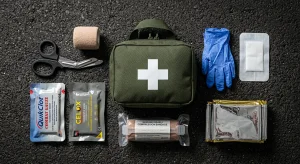
Adhesive bandages (various sizes), blister treatments (moleskin, hydrocolloid), antiseptic wipes, antibiotic ointment, gauze pads (non-stick), medical tape, pain relievers (ibuprofen, acetaminophen), allergy medication (antihistamine), anti-diarrheal medication, tweezers, hand sanitizer, small pair of scissors, and disposable gloves.
Backpacking First Aid Kit: Beyond the Day Trip
For overnight excursions, multi-day treks, or a dedicated camping first aid kit, your supplies need to be more extensive. The increased duration and remote nature of these trips mean a higher probability of incidents and longer response times. A thorough backpacking first aid kit should include everything from the day hike list, plus:
Additional adhesive bandages and gauze, rolled elastic bandages, splinting material (or rigid objects with straps), liquid bandage, trauma shears, irrigation syringe, wound closure strips, CPR mask, emergency whistle, backup water purification tablets, and a headlamp with extra batteries.
Tailoring Your Emergency First Aid Kit for Specific Environments
Your environment dictates specific additions to your emergency first aid kit. Consider these adjustments:
- Tropical/Humid Climates: Pack extra insect repellent (DEET-based, stored separately to prevent damage to kit bag), anti-malarial medication if applicable, and additional antiseptic/antifungal treatments for skin issues.
- Cold Climates/High Altitudes: Include a heat-reflecting emergency blanket, chemical hand warmers, and consider a thermometer.
- Snake Country: If venturing into areas with venomous snakes, include three elastic compression bandages. Remember: do NOT use venom extractors.
Regularly check and replenish your supplies, paying attention to expiration dates. Being prepared with a customized outdoor first aid kit is a cornerstone of responsible adventuring.
Frequently Asked Questions
What's the difference between a day hike and a backpacking first aid kit?
A day hike kit focuses on immediate, common injuries like blisters or minor cuts, offering basic relief. A backpacking first aid kit is more comprehensive, including supplies for prolonged care, more severe injuries, and items for multi-day needs where professional help might be delayed. It scales up the quantity and variety of items.
How often should I check my wilderness first aid kit?
It's recommended to check your wilderness first aid kit at least twice a year, and always before any major trip. Look for expired medications, depleted supplies, or items that have been damaged by moisture or extreme temperatures. Replace anything that's no longer viable or missing.
Can I just buy a pre-made first aid kit?
While pre-made kits are a good starting point, they rarely cover all the specific needs of different activities or environments. It's best to use them as a foundation and then customize them with additional items based on your planned activity, location, and personal medical needs (e.g., specific medications, allergy meds).