Why Keeping Cuts Clean and Covered Matters
A tiny kitchen nick, a paper cut, a scraped knee after a very dramatic two-second fall—most of us look at small cuts and think, “Eh, it’ll be fine.”
And usually, small cuts do heal well. But once skin is broken, everyday stuff like dirt, water, friction, and whatever was just on your phone or doorknob can keep bothering the area. Keeping cuts clean and covered is not being extra. It is just giving a small wound a better chance to stay a small problem.
The CDC advises cleaning minor cuts, scrapes, blisters, and other skin breaks with soap and water, then keeping them clean and covered while they heal.
Small Cuts Still Need a Little Personal Space
Hands, knees, elbows, and heels are basically the busiest parts of the body. You cut a finger, then immediately need to wash your hands. You scrape a knee, and your jeans decide to rub it all day. A heel gets a small blister, and your shoes somehow choose violence.
A clean covering can help reduce everyday contact with dirt, water, and friction. It is not about turning a tiny scrape into a full medical production. It is about avoiding that annoying “why does this still hurt every time I touch something?” situation.
Covered Does Not Mean Wrapped Like a Mummy
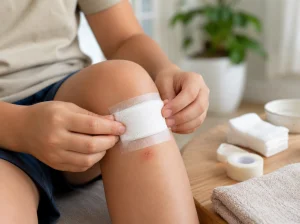
For minor cuts and scrapes, adhesive bandages, gauze pads, or other clean dressings can help protect the area from getting bumped, rubbed, or exposed to dirty surfaces.
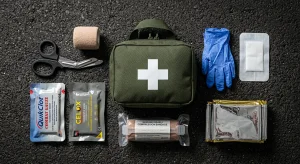
A basic minor wound care supplies setup does not need to be complicated. Adhesive bandages, sterile gauze, medical tape, cleaning supplies, and a few waterproof bandages can cover many everyday “well, that happened” moments.
The goal is simple: have the basics nearby before you need them. Nobody wants to search through three drawers for a bandage while holding a cut finger over the sink.
When Waterproof Bandages Make Life Easier
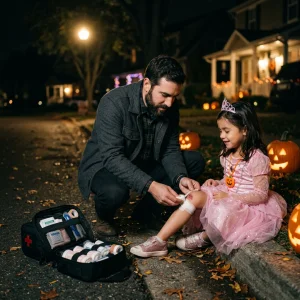
Waterproof bandages can be especially handy for hands, fingers, knees, and other spots that may get wet or move around a lot. They are useful when you are washing dishes, cooking, cleaning, gardening, or trying to keep up with kids outdoors.
The CDC notes that clean open wounds can be covered with a waterproof bandage to help reduce infection risk, especially when water exposure is likely.
Still, a bandage that is wet, dirty, or peeling at the edges has basically clocked out. Replace it instead of hoping it can hang on for one more day.
When a Small Cut Might Need More Attention
Basic first aid for cuts and scrapes works best for minor injuries. Do not try to power through if a wound is deep, keeps bleeding, contains dirt or an object, or comes from an animal bite or a dirty puncture.
Get medical advice promptly if you notice spreading redness, swelling, worsening pain, warmth, drainage, fever, or other signs that the area may be getting infected.
FAQ
Q1: Do I need to keep every small cut covered all the time?
Not always, but covering can be helpful when the area is likely to touch water, dirt, clothing, shoes, tools, or high-contact surfaces.Q2: Can I keep using a bandage after it gets wet?
It is better to replace it. A wet, dirty, or loose dressing is not doing its best work anymore.Q3: Is a little redness around a cut always a problem?
Not necessarily. But redness that spreads, pain that gets worse, swelling, warmth, drainage, or fever are good reasons to contact a healthcare professional.