Your First Aid Kit: Don't Let Lifesaving Supplies Expire!
A well-stocked first aid kit is a cornerstone of preparedness for any home, car, or adventure. However, its effectiveness isn't just about what's inside, but also about its freshness. Regularly checking expiration dates is a critical step often overlooked, but it's vital to ensure your kit is always ready and reliable when an emergency strikes.
Why First Aid Kits Expire: Understanding Potency and Safety
You might wonder, "why first aid kits expire?" The simple truth is that most components, particularly medications, topical ointments, and adhesive products, degrade over time. Medications, such as pain relievers or antihistamines, can lose their potency, becoming less effective or even chemically altered after their expiration date. Ointments can separate, dry out, or become contaminated, while adhesives like bandages and medical tape can lose their stickiness, rendering them useless in an emergency. Using expired items can mean delayed or ineffective treatment, which could have serious consequences.
Key Items to Inspect During Your First Aid Kit Check
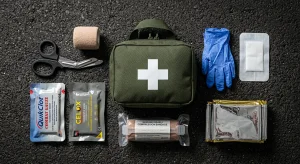
When you conduct your routine first aid kit inspection, pay close attention to the following:
- Medications: This includes oral medications (e.g., aspirin, ibuprofen), antiseptic wipes, and antibiotic or hydrocortisone ointments.
- Adhesives: Bandages (adhesive strips, gauze rolls, medical tape) are prone to drying out and losing their adhesion.
- Sterile Supplies: Gauze pads, wound dressings, and sterile wipes must remain sealed and dry to maintain sterility.
- Chemical Products: Instant cold packs contain chemicals that can lose their reactivity over time.
Utilizing a comprehensive first aid kit checklist can significantly streamline this process, ensuring you don't miss any critical components. Replace any used or out-of-date contents immediately.
Beyond the Basics: Specialized Kits Also Need Attention
While a general home first aid kit is essential, many households also benefit from specialized kits:
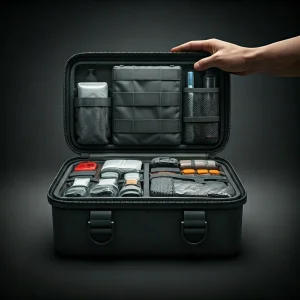
- Individual First Aid Kits (IFAK): For personal use during outdoor activities or travel.
- Car First Aid Kits: Crucial for roadside incidents and travel emergencies.
- Dog First Aid Kits: Designed to address common injuries and ailments for your pets.
Each of these specialized kits requires the same diligent attention to expiration dates to ensure their supplies are potent and effective when needed.
Don't let an oversight compromise your ability to respond to an emergency. Make checking your first aid kit's expiration dates a routine task, ideally every 6-12 months. Proactively replacing expired items keeps your kit reliable and ready, safeguarding your well-being and that of your loved ones.
FAQ: First Aid Kit Expiration Dates
Do all items in a first aid kit expire?
Most items with chemical components (medications, ointments, wipes, cold packs) or adhesives will expire. Non-medical items like scissors, tweezers, or non-disposable thermometers generally don't expire, but their functionality should still be checked periodically.
How often should I check my first aid kit's expiration dates?
It's generally recommended to inspect your first aid kit at least every six to twelve months. For critical kits or those exposed to varying temperatures (like in a car), more frequent checks, perhaps quarterly, are advisable.
What should I do with expired first aid items?
Expired medications should be disposed of properly, often through local drug take-back programs or by following FDA guidelines. Expired sterile items like bandages or gauze should be discarded. Non-medical tools that are still functional can be kept, but always replace compromised or expired items with new, unexpired ones.