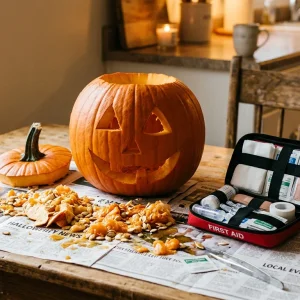
Most people keep tissues, charging cables, sunglasses, and maybe a few mystery parking receipts in their car. But when it comes to a car first aid kit, a lot of drivers think, “I probably won’t need that.” The thing is, small road emergencies do not exactly schedule an appointment.
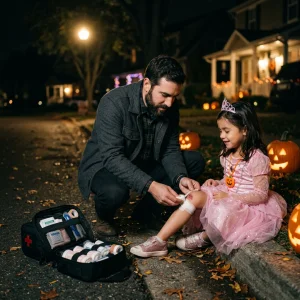
A paper cut while loading boxes, a child bumping into something in the back seat, a scrape during a road trip, or waiting on the roadside for help — these moments are exactly when a good car first aid kit quietly becomes the MVP.
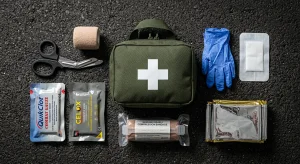
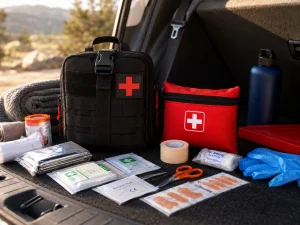
A car first aid kit does not need to be complicated. It just needs to be easy to find, easy to grab, and actually useful. Basic supplies should include adhesive bandages, gauze pads, medical tape, alcohol pads, antiseptic wipes, disposable gloves, scissors, tweezers, elastic bandages, an emergency blanket, and burn dressings. They may look like small items, but together they are like your car’s little safety team, sitting there calmly until it is their time to shine.
If you mostly use your car for daily commuting, school pickup, errands, or short weekend drives, a 152PCS or 157PCS portable first aid kit is a practical choice. It is compact, lightweight, and easy to store in a glove box, door pocket, seat-back organizer, or side area of the trunk. Small does not mean useless. Think of it as your grab-and-go road helper for minor cuts, scrapes, bumps, and quick bandaging.
If you often take long road trips, go camping, drive through rural areas, or travel with the whole family, a 379PCS or 480PCS first aid kit may be a better fit. Larger kits usually offer more supplies, more backup items, and more flexibility. When multiple people may need help, or when you are far from a store or clinic, having more on hand can bring a lot more peace of mind.
Of course, road safety is not only about first aid supplies. You can also keep basic emergency items in your car, such as a flashlight, warning triangle, portable power bank, drinking water, and simple tools. In a roadside situation, your first aid kit helps with minor injuries, while these extra items help you stay visible, prepared, and a little less stressed.
One last thing: putting a first aid kit in your car is not the finish line. It is the starting point. Check it every few months to make sure alcohol pads, antiseptic wipes, gloves, tape, and burn dressings are still in good condition. Heat, time, and damaged packaging can all affect supplies.
A reliable roadside emergency kit is not something that should just sit in the trunk forever. It should be ready to show up when your day suddenly gets weird.
FAQ
1. Where should I keep a car first aid kit?
Keep it somewhere easy to reach, such as the glove box, seat-back pocket, door storage area, or side compartment of the trunk. Avoid burying it under luggage or heavy gear. In an emergency, you do not want to start a full treasure hunt.
2. Is a 152PCS or 157PCS first aid kit enough for a car?
Yes, for many drivers it is enough. A 152PCS or 157PCS kit is a good fit for daily commuting, school pickup, short drives, errands, and regular family car use. It is compact, easy to store, and useful for common minor injuries.
3. When should I choose a 379PCS or 480PCS first aid kit?
Choose a larger 379PCS or 480PCS kit if you often take long road trips, go camping, travel with family, or drive in areas where help may not be nearby. Larger kits provide more supplies and better backup for multiple people or longer waiting times.
4. How often should I check my car first aid kit?
Check it every 3 to 6 months. Look at alcohol pads, antiseptic wipes, burn dressings, gloves, tape, and other packaged supplies to make sure they are not expired, dried out, damaged, or affected by heat.
5. What is the difference between a car first aid kit and a home first aid kit?
A car first aid kit should be compact, portable, durable, and easy to grab on the road. It is mainly for minor cuts, scrapes, bumps, burns, and quick temporary care while traveling. A home first aid kit can be larger and kept in a fixed place, while a car kit needs to move with you.