Essential Gear for Your Road Trip Emergency Kit
The Non-Negotiables: Core Emergency Supplies
Stop dwelling on "what ifs." Focus on "when." A robust road trip emergency kit isn't optional; it's a necessity. Vehicles break down. Weather shifts unexpectedly. Cell service disappears. Your personal safety and your ability to manage a bad situation often depend on immediate access to the right tools. Think beyond just a flat tire. Consider extended waits, minor injuries, or communication failures.
Here’s a baseline for your car emergency kit, built on practical necessity:
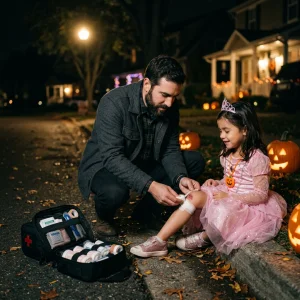
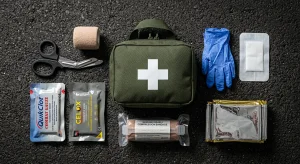
- First-Aid Kit: At minimum, a kit meeting ANSI Z308.1 standards. Include trauma shears, various bandage sizes, gauze rolls, medical tape, antiseptic wipes, pain relievers, and allergy medication. Tourniquets are critical for serious bleeding. Add an emergency blanket.
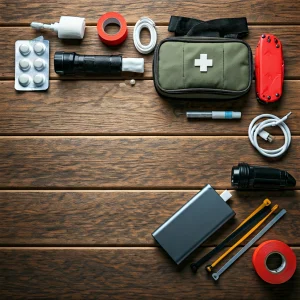
- Signaling Devices: A loud whistle. A reflective triangle or flares for roadside visibility. A bright LED flashlight with extra batteries. Chemical light sticks make a good backup.
- Communication: A fully charged power bank for your cell phone, with appropriate charging cables. A spare, older phone can often still dial 911 even without active service. Consider a hand-crank or solar-powered radio for weather alerts.
- Basic Tools: Multi-tool or pocket knife. Duct tape. Zip ties. These are versatile problem-solvers for car survival scenarios.
This core setup addresses the most frequent roadside emergencies. Don't cut corners here. This is your personal readiness for when things go wrong.
Vehicle-Specific Preparedness: Get Moving Again (or Stay Safe)
A vehicle emergency kit needs to tackle common mechanical issues and offer temporary protection from the elements. This isn't about becoming a mechanic; it's about being self-sufficient until help arrives.
Ensure your car preparedness kit includes:
Tire Repair & Maintenance:
- Tire pressure gauge.
- Jump starter pack. Safer and simpler than traditional jumper cables.
- Tire sealant or a patch kit. For minor punctures, these can get you to the next service station.
- Lug wrench and jack (confirm they fit your specific vehicle).
Weather & Comfort:
Consider the environment you'll be driving through. A winter road trip emergency kit will differ significantly from one for a desert trip.
- Warm blankets or sleeping bags (even in summer, nights can get cold).
- Extra layers of clothing.
- Rain gear.
- Non-perishable food items: protein bars, dried fruit, nuts. Enough for 48 hours per occupant.
- Water: At least 1 gallon per person per day. Replace every six months.
- Small shovel, particularly if snow or sand is a possibility.
- Tow strap: A simple tool, vital for getting unstuck.
This roadside assistance kit mentality keeps you proactive. Being stranded with no way to move or stay warm poses a serious risk.
Beyond the Basics: Situation-Specific Additions for Your Emergency Packing List
Customize your car travel survival kit based on destination, season, and passenger needs. Long drives through remote areas require more extensive preparation. Think about a remote wilderness journey versus a suburban commute.
- Navigation: A physical map of your route. Cell signals are often unreliable.
- Personal Items: Any prescription medications, pet food, baby supplies. These are critical and easily overlooked on an emergency packing list.
- Self-Defense: Pepper spray or a sturdy walking stick, if legally permitted and you're comfortable carrying it.
- Fire Starter: Waterproof matches or a lighter. Useful for warmth or signaling.
Review your road trip emergency kit before every long journey. Replace expired items. Check battery levels. This isn't a one-time task; it's ongoing maintenance for your safety.
FAQ
How often should I check my road trip emergency kit?
Inspect your vehicle emergency kit at least every six months. Check expiration dates on food, water, and medications. Test flashlights and radios. Ensure batteries are fresh or fully charged. A full review before any significant road trip is also advisable.
What's the most common item overlooked in a car safety kit?
Often, it's communication backups. People remember a phone but forget the power bank and cables. Or they neglect a physical map, assuming GPS will always work. Reliable communication and navigation are paramount in a roadside emergency kit.
Can I build my own emergency car supplies or should I buy a pre-made kit?
Building your own allows for customization to your specific needs and environment, often providing better quality components. Pre-made kits offer convenience but may lack essential items or contain lower-quality versions. A hybrid approach – buying a basic kit and supplementing it – is often the most effective for a comprehensive emergency packing list.