Crafting Your 2026 Vehicle Emergency Kit: The Definitive Guide
A well-equipped vehicle emergency kit isn't optional; it's a critical requirement. Roadside incidents happen. Be ready. This guide details the essential components for any vehicle, accounting for 2026 demands and varied climates.
The Foundational Vehicle Emergency Kit
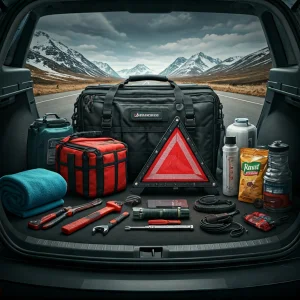
Every car needs a basic emergency kit. Think immediate threats: a flat tire, a minor injury, a dead battery. These are not rare events. Do not skimp here. Your vehicle's preparedness starts with these items.
- Jumper Cables: Choose 16-foot cables with at least 6-gauge wire. Thinner, cheaper cables often fail under stress. Don't risk it.
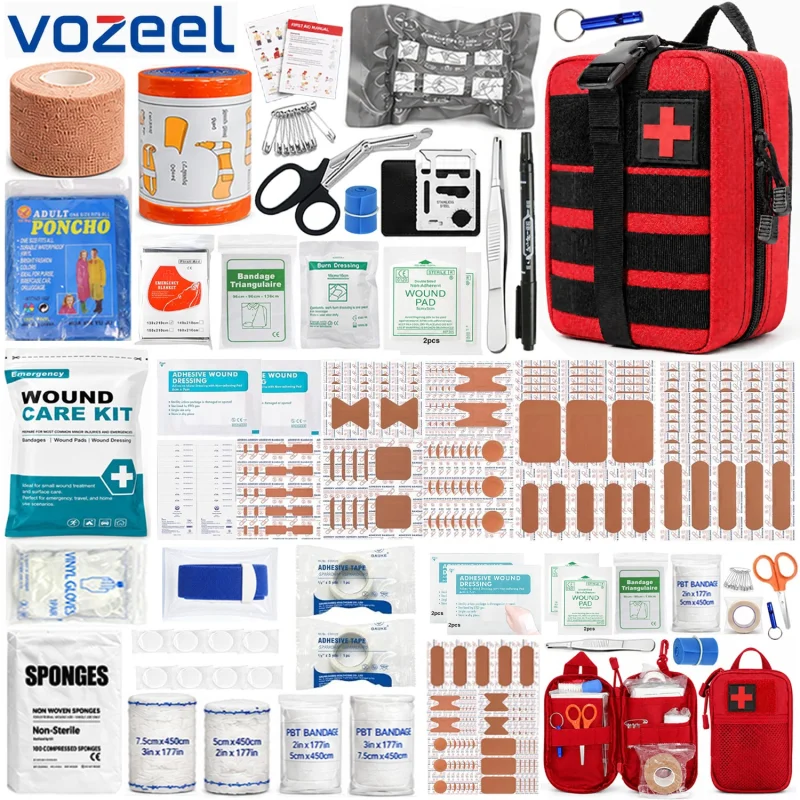
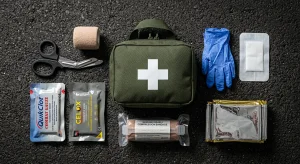
- First-Aid Kit: It must meet ANSI Z308.1-2021 Class A standards. Ensure it contains bandages, antiseptic wipes, pain relievers, and trauma shears.
- Flashlight: A high-lumen LED with extra batteries works best. A hand-crank model offers reliable backup.
- Reflective Triangles or Flares: At least three. Place them to alert oncoming traffic well in advance.
- Basic Tool Kit: Include pliers, an adjustable wrench, and assorted screwdrivers (Phillips and flathead).
- Tire Repair Kit: A can of sealant for small punctures or a sturdy patch kit. A portable air compressor is a valuable addition.
- Warm Blanket: Even in summer, temperatures can drop at night. A simple fleece blanket designed for vehicle use is sufficient.
- Water and Non-Perishable Snacks: Energy bars and nuts are good choices. Remember to refresh these yearly.
Seasonal Adaptations: The Winter Vehicle Kit
Winter requires more preparation. Snow, ice, and low temperatures make a basic kit inadequate. Your winter vehicle kit needs specific upgrades.
- Collapsible Shovel: Sturdy and compact, ideal for digging out tires.
- Bag of Sand or Cat Litter: Provides traction on slippery surfaces.
- Heavy-Duty Blanket or Sleeping Bag: Staying warm is crucial if stranded for long periods.
- Warm Clothing: A hat, gloves, and extra wool socks are indispensable.
- Ice Scraper and Brush: Clear visibility is essential.
- Headlamp: Keeps your hands free for critical tasks.
Advanced Survival & Safety Kit: Beyond the Basics
Beyond standard essentials, these items are useful for extended emergencies or long journeys. This is your ultimate vehicle emergency kit, built for the unexpected.
- Portable Power Bank: Fully charged, it can be vital for phones and GPS devices.
- Multi-Tool: Versatile for cutting, prying, and sawing.
- Duct Tape: Its uses are limitless—from temporary hose repairs to patching a broken window.
- Work Gloves: Protect your hands during repairs or debris clearing.
- Fire Extinguisher: An ABC-rated extinguisher, compact and easily accessible.
- Whistle: To attract attention if injured or disoriented.
- Paper Map: Essential when GPS fails or signal is lost.
- Water Purification Tablets or Filter: A must if you might rely on natural water sources.
- Seatbelt Cutter/Window Breaker Tool: Often combined, these are vital for escaping a compromised vehicle.
DIY vs. Pre-made Kits: A Critical Choice
Building your own DIY vehicle emergency kit allows for full customization and quality control. You know exactly what you need and select components accordingly. Pre-made kits offer convenience but often contain lower-quality items. If you buy one, check its contents carefully to ensure it meets your emergency readiness standards. Your vehicle safety kit's effectiveness depends less on brand and more on practical utility.
Maintenance and Strategic Placement
Store your vehicle emergency supplies in a durable bag or robust bin. Keep it easily accessible—not buried under groceries or luggage. Check the contents quarterly: replace expired food, water, and medications. Test flashlights and verify battery life. A well-maintained vehicle essentials kit offers peace of mind.
FAQ
What is the single most important item for a car emergency kit?
A fully functional first aid kit, compliant with ANSI Z308.1-2021 Class A standards, is arguably the most critical item. Untreated injuries can quickly worsen.
How often should I check my car emergency kit?
Inspect your vehicle emergency kit at least quarterly. This involves replacing any expired food, water, and medications, testing flashlights and their batteries, and ensuring all items are present and in optimal working order.
Can I just rely on my phone for roadside emergencies?
Absolutely not. While phones are useful, they can run out of battery, lose signal, or get damaged. Always include physical maps, a whistle, and reflective triangles in your kit. Never rely solely on electronic devices for vehicle safety.