The Essential First Aid Kit for Every Horse Owner
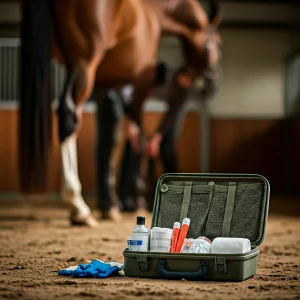
Horse ownership means responsibility, including preparing for unforeseen health emergencies. From daily ailments to serious incidents, a well-stocked first aid kit is crucial. It helps stabilize a situation until the veterinarian arrives. Basic horse equipment isn't enough. Here’s what your equestrian kit must contain to safeguard your horse’s health.
Measuring Temperature: A Vital Reflex

A thermometer is the first tool to add. A standard rectal horse thermometer works well. Insert it 2-3 cm along the rectal mucosa, not directly into the fecal mass. A small amount of petroleum jelly will ease the process. Clean and disinfect it with alcohol after each use. The normal resting temperature ranges from 37.5°C to 38°C. If it’s above 38.3°C in the morning at rest, consult your vet. Knowing your horse's “normal” temperature is key. Take it several times when the horse is healthy, at the same time each day.
Wound Management: The Essentials
Injuries happen frequently—from a fence, a rub, or a hoof kick—making them common equine emergencies. Your kit needs supplies for effective cleaning and dressing.
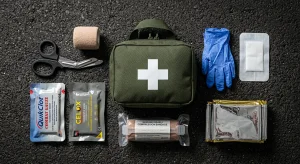
- Latex or nitrile gloves: For hygiene.
- Sterile compresses: To clean and cover.
- Antiseptic solution: An iodine-free horse disinfectant like 0.05% diluted chlorhexidine is often preferred. Avoid hydrogen peroxide for deep wounds.
- Betadine solution (if the horse isn't iodine-sensitive): A classic choice.
- Saline solution: For gentle rinsing of eyes or lightly soiled wounds.
- Crepe and self-adhesive bandages: To secure compresses.
- Hydrophilic cotton: Less precise than compresses but useful for broader applications.
- Round-tipped scissors: To cut bandages and trim hair around the wound if needed.
- Healing ointment: Apply after cleaning. Ask your veterinarian for a recommendation.
Eye Cleaning: Fragile and Essential

Eyes are sensitive. Dust, insects, irritations—keep sterile saline solution on hand. A few drops can relieve minor irritation. Never rub. If you notice swelling, persistent redness, or excessive tearing, contact a veterinarian immediately.
Medication Administration: Be Prepared
You might need to give oral medication before the veterinarian arrives. A 60 ml oral syringe (without a needle) is useful for liquids or pastes. Knowing your horse's approximate weight is important for accurate dosing.
Bleeding Control: Every Second Counts
Bleeding can be alarming. Thick pads and a self-adhesive bandage let you apply firm, steady pressure. This can stop or slow bleeding while you await professional help. A profusely bleeding wound requires quick action.
FAQs
When should you call the vet for a wound?
Call immediately if the wound is deep, bleeding heavily, near a joint or eye, if you suspect a foreign body, or if the horse is lame or has a fever. Any wound that doesn't heal properly after a few days also warrants a call.
Can I use human medications for my horse?
No, this is rarely a good idea. Dosages differ, and some active ingredients can be toxic to horses. Always consult your veterinarian before administering any medication, even over-the-counter products.
How often should I check my first aid kit?
Check your kit at least every six months. Ensure products aren't expired, packaging is intact, and supplies (bandages, compresses) are sufficient. Replace anything used or expired.