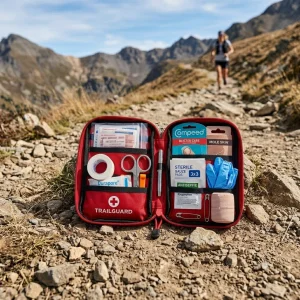
The Ultimate Trail Running First Aid Kit Checklist
Whether you're tackling a 100-mile ultramarathon, a remote mountain trail, or a weekend wilderness adventure, your first aid kit can mean the difference between finishing the race and ending it early—or worse.
Unlike road races, trail running often places athletes hours away from professional medical assistance. Minor injuries that would normally be inconvenient can quickly become dangerous in isolated environments.
This guide combines:
- Wilderness first aid recommendations
- Ultra-running experience
- Medical organization guidelines
- Real-world injury statistics
- Practical packing strategies
to help you build a lightweight yet comprehensive trail running first aid kit.
Why Every Trail Runner Needs a First Aid Kit
Many new trail runners assume organized races provide medical support.
While aid stations exist during most races, they may be 5–20 km (3–12 miles) apart, and rescue teams often require significant time to reach injured runners in difficult terrain.
According to the American Trail Running Association, trail races frequently involve:
- Rocky terrain
- River crossings
- High altitude
- Extreme temperatures
- Limited cell phone reception
These environmental factors substantially increase the importance of self-care during emergencies.
Additionally, research published in sports medicine literature indicates that lower extremity injuries account for approximately 70–90% of running-related injuries, with ankle sprains, blisters, abrasions, and muscle strains being the most common issues encountered during trail events.
Common Trail Running Injuries
| Injury | Frequency | Can Continue Running? | Essential Treatment |
|---|---|---|---|
| Blisters | Very High | Usually Yes | Blister dressing, tape |
| Cuts & Scrapes | Very High | Yes | Antiseptic wipe + bandage |
| Ankle Sprain | High | Depends on severity | Compression wrap |
| Muscle Cramp | High | Usually | Electrolytes, stretching |
| Heat Exhaustion | Moderate | Often No | Cooling & hydration |
| Hypothermia | Moderate | No | Emergency blanket |
| Bee/Insect Stings | Moderate | Usually | Antihistamine |
| Minor Burns | Low | Sometimes | Burn gel |
Essential Trail Running First Aid Kit Checklist
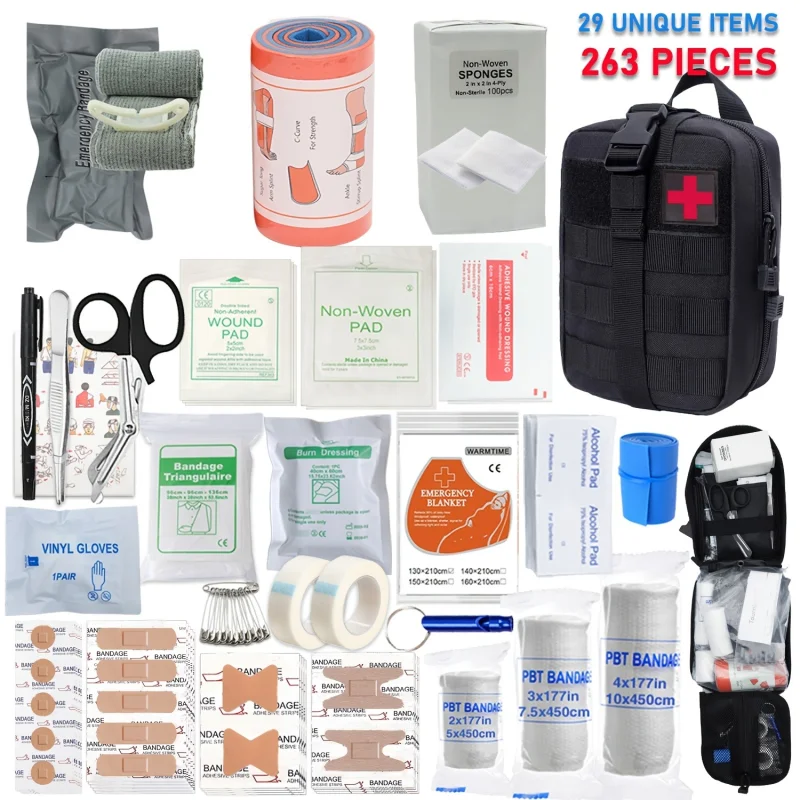
1. Adhesive Bandages
Small cuts happen constantly on technical trails. Carry multiple sizes.
Recommended:
- Fingertip bandages
- Knuckle bandages
- Waterproof strips
2. Hydrocolloid Blister Dressings
Blisters are arguably the number one reason runners drop from long-distance races.
Hydrocolloid dressings:
- Reduce friction
- Cushion pressure
- Speed healing
- Stay attached even when wet
Professional ultrarunners often carry at least two blister patches during races longer than 50 km.
3. Antiseptic Wipes
Clean wounds before applying dressings. Alcohol-free antiseptic wipes are preferable because they clean effectively while causing less tissue irritation than high-concentration alcohol.
4. Medical Tape
One of the most versatile items. Useful for:
- Securing dressings
- Preventing hotspots
- Reinforcing blister patches
- Temporary gear repairs
5. Compression Bandage
Elastic compression wraps help stabilize:
- Mild ankle sprains
- Wrist injuries
- Knee support
They are also useful for controlling swelling until medical help is available.
6. Tweezers
Essential for removing splinters, small rocks, thorns, and ticks. Fine-tip stainless steel tweezers are recommended.
7. Trauma Shears
Useful for cutting tape, removing clothing, and trimming gauze. Choose lightweight EMS-style shears.
8. Sterile Gauze Pads
For larger wounds where adhesive bandages are insufficient. Carry:
- 2×2 inch
- 4×4 inch
9. Emergency Survival Blanket
Perhaps the highest-value item by weight. Emergency blankets can:
- Reduce heat loss
- Prevent hypothermia
- Reflect body heat
- Increase visibility during rescue
Many weigh less than 60 g.
10. Pain Relief Medication
Common options include:
- Acetaminophen: Pain (Gentle on stomach)
- Ibuprofen: Pain & inflammation (Important Note: Avoid excessive use during ultra events due to potential kidney stress when dehydrated)
- Aspirin: Not routinely recommended (May increase bleeding risk)
Always follow the product label and consult your healthcare provider if you have medical conditions or take other medications.
Recommended Weight Breakdown
- Bandages: 20 g
- Gauze: 30 g
- Tape: 25 g
- Compression wrap: 60 g
- Emergency blanket: 55 g
- Wipes: 20 g
- Tweezers: 15 g
- Shears: 45 g
- Medications: 20 g
Total: approximately 250–300 g
This is a negligible weight penalty compared with the safety benefits during long trail runs.
Optional Items for Ultra-Marathons
For races over 50 km or remote wilderness runs, consider adding:
- Oral rehydration salts (ORS)
- Electrolyte tablets
- Anti-chafing balm
- Tick remover
- Antihistamine tablets
- Moleskin
- Finger splint
- Burn gel
- CPR face shield
- Triangular bandage
- Small flashlight backup
Trail Running vs Road Running First Aid Kits
| Item | Road Running | Trail Running |
|---|---|---|
| Blister Kit | Recommended | Essential |
| Compression Wrap | Optional | Essential |
| Emergency Blanket | Rare | Essential |
| Tweezers | Rare | Recommended |
| Trauma Shears | Optional | Recommended |
| Tick Removal Tool | Not Needed | Useful |
| Water Purification Tablets | No | Optional |
Real Experience: Why a Small First Aid Kit Saved My Run
During a mountain ultramarathon, a runner slipped on loose rocks approximately 20 miles into the course, sustaining several deep abrasions on the knee and forearm.
Rather than withdrawing immediately, they cleaned the wounds using antiseptic wipes, applied sterile gauze secured with medical tape, wrapped the knee for additional support, and continued safely to the next staffed aid station for further evaluation.
While every injury should be assessed individually—and serious injuries require prompt medical attention—this scenario illustrates how a well-prepared first aid kit can help manage minor incidents until professional care is available.
Benefits of Carrying a Trail Running First Aid Kit
- ✔ Treat minor injuries immediately
- ✔ Reduce infection risk
- ✔ Prevent small problems from becoming race-ending issues
- ✔ Improve confidence in remote environments
- ✔ Increase self-sufficiency during long-distance adventures
- ✔ Provide basic assistance to fellow runners when appropriate
Important Safety Considerations
A first aid kit is not a substitute for professional medical care.
Seek emergency assistance immediately if you experience:
- Suspected fractures
- Head injury or loss of consciousness
- Heavy or uncontrolled bleeding
- Chest pain
- Severe allergic reactions (difficulty breathing, swelling of the face or throat)
- Signs of heat stroke (confusion, altered mental status, collapse)
- Severe hypothermia
If running in remote areas:
- Inform someone of your planned route.
- Carry adequate water and nutrition.
- Bring a charged phone or emergency communication device where appropriate.
- Check weather forecasts before departu