Mastering Emergency Preparedness: Your Guide to Tactical Readiness
In an unpredictable world, being prepared isn't just wise—it's essential. Natural disasters, unforeseen events, or extended disruptions can strike without warning. As a tactical first-aid brand, we believe proactive emergency planning is the first line of defense. Equipping yourself and your loved ones means peace of mind and the ability to act decisively when every second counts.
Crafting Your Household Emergency Plan
The foundation of readiness is a robust household emergency plan. This isn't just about stocking supplies; it's about knowing how your family will communicate, where you'll meet, and what each person's role is. Imagine a scenario where essential services are down for 72 hours or more. Your plan should address these critical aspects:
- Communication strategies if phones are out.
- Designated meeting points inside and outside your neighborhood.
- Responsibilities for children, elderly, pets, or those with special needs.
- Knowing how to safely turn off utilities like water or gas (if instructed).
Discussing these points now helps reduce fear and enables a quicker, more effective response when an event occurs.
Assembling Your Emergency Kit and Grab Bag
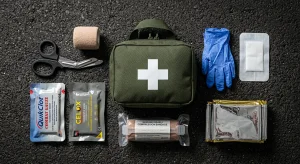
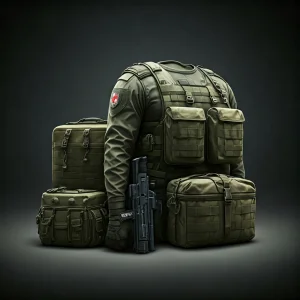
Once your plan is set, it's time to gather your gear. Every home needs a comprehensive emergency kit for sheltering in place. This includes food, water, sanitation supplies, tools, and, critically, a well-stocked tactical first-aid kit. Beyond your home kit, a grab bag (or bug-out bag) is vital for rapid evacuation.
Your grab bag should be lightweight and contain essentials for 24-48 hours: identification, cash, water, high-energy food bars, a flashlight, multi-tool, and a compact personal first-aid kit. Keep it accessible by an exit, ready to go at a moment's notice. For comprehensive natural hazard preparation, both types of kits are indispensable.

Beyond the Basics: Natural Hazard Preparation
Understanding local risks is key to effective natural hazard preparation. Whether it's earthquakes, floods, or severe storms, knowing your area's specific threats allows you to tailor your plan and emergency kit. Stay informed about local civil defense warnings and community response plans. Your preparedness benefits not just your family, but your wider community too.
FAQ: Emergency Preparedness
Why is a household emergency plan so important?
A household emergency plan ensures everyone knows what to do, where to go, and how to communicate during an emergency, minimizing panic and maximizing safety when external help might be delayed.
What's the difference between an emergency kit and a grab bag?
An emergency kit is a larger collection of supplies for sheltering at home, designed for longer durations. A grab bag (or bug-out bag) is a smaller, portable kit for immediate evacuation, containing essentials for 24-48 hours.
How often should I check my emergency supplies?
You should inspect and refresh your emergency kit and grab bag at least every six months. Check expiration dates on food, water, and medications, replace batteries, and update any documents or clothing items as needed.