Your Life Depends On It: Building a Robust First Aid Kit
When venturing outdoors, whether for a day hike or a multi-day expedition, preparedness isn't just a recommendation—it's a necessity. An unforeseen incident can turn an adventure into a crisis without the right tools. A well-stocked first aid kit isn't merely a collection of supplies; it's a lifeline that can mitigate injury, prevent infection, and even save a life. Don't leave your safety to chance; understand what it takes to build a kit that's ready for anything.
The Core Essentials: What Every Kit Needs
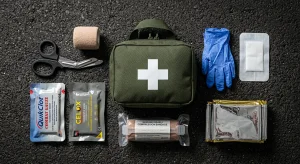
Every first aid kit, regardless of its intended use, must contain certain fundamental items. Think of bandages (adhesive, gauze rolls, trauma dressings), antiseptic wipes, medical tape, and pain relievers like ibuprofen. For more demanding tactical environments, consider adding a tourniquet, hemostatic gauze, and basic splinting materials. These are your foundational layers for addressing common injuries, from minor cuts and scrapes to more severe bleeding.

Advanced Preparedness: Tailoring Your Kit
Once you have the core down, customize your kit based on your activity, environment, and personal needs. Do you have allergies? Include an EpiPen. Are you frequently in remote areas? A SAM splint, blister treatment, and a compact headlamp become invaluable. Always include any personal prescription medications. Thinking through potential scenarios will help you add specialized items that can make a critical difference when professional help is distant.
Mastering the Art: How to Organize a First Aid Kit
Having the right supplies is one thing; accessing them quickly and efficiently is another. Learning how to organize a first aid kit effectively is paramount. Use clear, resealable bags or internal dividers to categorize items (e.g., wound care, medications, tools). Label sections clearly. Ensure your kit is protected in a durable, water-resistant container. Regularly check expiration dates on medications and sterile items, and replace anything used immediately. A disorganized kit is a delayed kit, and in emergencies, every second counts.
Building a comprehensive first aid kit is an ongoing process of learning and adaptation. It reflects your commitment to safety and self-reliance. Invest in quality components, understand their use, and always keep your kit accessible. Your preparedness is your best defense against the unexpected, empowering you to handle emergencies with confidence and competence.
What's the most important item in a first aid kit?
While many items are crucial, a well-stocked trauma dressing and a tourniquet are arguably the most critical for severe bleeding, which can be life-threatening if not controlled quickly. For general preparedness, basic wound care and pain relief are universally important.
How often should I check my first aid kit?
You should check your first aid kit at least every 6-12 months, or after every significant use. Pay close attention to expiration dates on medications and sterile supplies, replace used items, and ensure batteries in any electronic devices (like a headlamp) are fresh.
Should I build my own kit or buy a pre-made one?
A pre-made kit can be a good starting point, providing basic essentials. However, we highly recommend customizing and adding to it to suit your specific activities, environment, and personal medical needs. Building your own allows for greater control over quality and relevance of items, and ensures you know exactly what’s inside.