Essential First Aid Supplies for Survival Kits: Build or Buy with Confidence
Emergencies rarely announce themselves. Whether it’s a minor mishap on a day hike or a more serious situation at home, a well-equipped first aid survival kit provides the crucial confidence and capability to act effectively. This guide will help you understand what you need, how to organize it, and give you options for building your own or choosing a high-quality pre-assembled kit.
Building a Tiered First Aid System
Different scenarios demand different levels of preparedness. We recommend a tiered approach:
- Mini Kit: Compact and designed for everyday carry (EDC), perfect for minor cuts, scrapes, or headaches. Think pocket or small pouch size.
- Backpack Kit: A more comprehensive kit suitable for day trips, hiking, or travel. It addresses common injuries beyond simple cuts.
- Comprehensive Kit: Your robust, full-featured kit for home, vehicle, or extended outdoor adventures, ready for significant emergencies.
Key Components for Every Kit
While sizes vary, core items are essential. Here’s a breakdown:
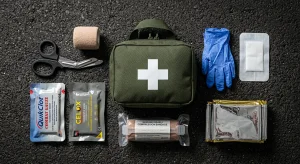
- Wound Care: Various sizes of adhesive bandages, sterile gauze pads, medical tape, antiseptic wipes (e.g., alcohol prep pads, BZK wipes), and antibiotic ointment.
- Tools: Trauma shears (for cutting clothing), tweezers (splinters), small scissors.
- Medications: Over-the-counter pain relievers (ibuprofen/acetaminophen), antihistamines (allergies), antacids, and anti-diarrhea medicine. Electrolyte packets are also highly recommended.
- Safety & Protection: Nitrile gloves, CPR mask, emergency thermal blanket, a small flashlight/headlamp, and a whistle.
Advanced Items for Comprehensive Kits
For your larger kits, consider adding:
- Bleeding Control: Tourniquet (CAT or SOFTT-W), hemostatic agents (e.g., QuikClot gauze).
- Fracture/Sprain Support: Splints (e.g., SAM splint), triangular bandages.
- Burn Treatment: Burn gel or specialized burn dressings.
- Assessment: Small penlight for pupil checks.
Maintaining Your Kits for Readiness
A kit is only as good as its contents. Regular maintenance is crucial:
- Inspect Regularly: Every 6-12 months, check all items for expiration dates, integrity of packaging, and functionality.
- Restock Promptly: Replace used or expired items immediately. Don't wait until the next inspection.
- Test Critical Tools: Ensure flashlights have working batteries and that you know how to deploy items like tourniquets.
- Store Wisely: Keep kits in cool, dry, and easily accessible locations, away from direct sunlight or extreme temperatures.
- Practice Skills: Knowing how to use your supplies is just as important as having them. Consider basic first aid training.
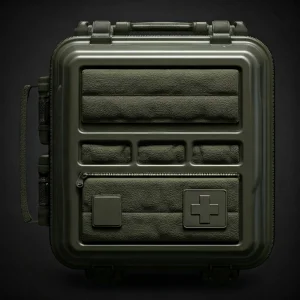
For those who prefer a streamlined approach, many high-quality, pre-assembled first aid kits are available. These often come with intelligent organization and curated supplies, simplifying both acquisition and maintenance.
Being prepared is not about living in fear; it's about gaining confidence and peace of mind. Invest in your first aid capabilities today.
FAQ: What's the most critical item in any first aid kit?
While many items are essential, a reliable bleeding control solution like a tourniquet and/or hemostatic gauze is arguably the most critical for life-threatening emergencies. However, for general preparedness, basic wound care and pain relief are frequently used.
FAQ: How often should I check my first aid kit?
It's best practice to inspect your first aid kits every 6 to 12 months. This allows you to check expiration dates, restock used items, and ensure all components are in good condition.
FAQ: Is buying a pre-made kit sufficient, or should I build my own?
Both options are valid! Pre-made kits offer convenience, professional organization, and often include a well-rounded selection of supplies. Building your own allows for customization to your specific needs, environment, and skill level. Many people opt for a combination: a quality pre-made base kit, supplemented with personalized items.