Weekend sports usually start before the game even begins. Someone is looking for a soccer cleat, someone else cannot find a shin guard, water bottles are rolling under folding chairs, and parents are checking the schedule while wondering whether kickoff is at 9:00 or 9:30.
Then the game starts, and the usual small sports mishaps decide it is their time to shine.
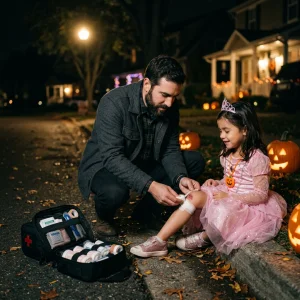
A scraped knee after a tackle. A small bump from a fall. A sore ankle after a hard run. A blister from brand-new cleats that looked amazing in the store but now have opinions. Most of these are not major emergencies, but when practice is still going and the nearest store is nowhere near the field, a sports first aid kit suddenly becomes one of the most useful things on the sideline.
A good first aid kit for youth sports does not need to be huge enough to look like the coach brought luggage. It just needs to be easy to carry, easy to reach, and stocked with basics that are ready when the small stuff shows up.
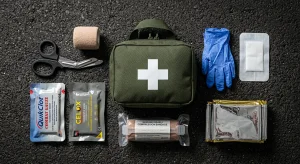
Useful sports injury first aid supplies can include adhesive bandages, gauze pads, cleansing wipes, medical tape, disposable gloves, scissors, tweezers, elastic bandages, cold packs, and blister pads. Bandages, cold packs, and blister pads are basically the quiet bench players of the sports world. They stay in the bag without making a fuss until someone says, “I think I bumped something,” and suddenly they are needed right away.
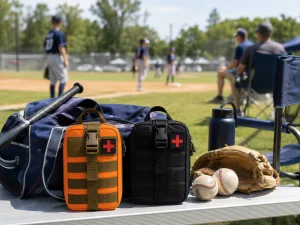
A soccer first aid kit is best kept in a coach bag, team equipment bag, or a parent’s regular sports backpack. Try not to bury it at the bottom of the car trunk. When a player is sitting on the sideline waiting for a wipe or bandage, nobody wants to start a full scavenger hunt through folding chairs, snack bags, and soccer gear.
For teams with multiple players, weekend leagues, or regular outdoor practices, a larger team first aid kit can be more practical. It is not only for one player. It gives coaches and parents a simple way to keep basic supplies nearby for everyday scrapes, light bumps, blisters, and minor twists without letting one little issue throw off the whole practice.
After a game or training session, take a quick look at the kit before tossing everything back in the car. Bandages, wipes, cold packs, and tape tend to disappear faster than expected, like they quietly played extra minutes after everyone went home. Keeping your supplies restocked means less sideline scrambling and more time cheering for the team.
FAQ
1.What should be in a youth sports first aid kit?
A youth sports first aid kit should include adhesive bandages, gauze pads, cleansing wipes, medical tape, disposable gloves, scissors, tweezers, elastic bandages, cold packs, and blister pads for common sports-related scrapes, bumps, and minor discomfort.
2.Do soccer teams need a separate first aid kit?
It is a good idea. Soccer involves running, tackles, falls, and outdoor practice, so keeping a portable soccer first aid kit in a coach bag or team equipment bag can be very useful.
3.Should a sports first aid kit stay in the car or near the field?
A backup kit can stay in the car, but the main kit should be close to the field in a coach bag, team bag, or parent backpack. The closer it is to the action, the easier it is to use when needed.
4.How large should a team first aid kit be?
For one or two kids at regular practice, a compact kit may be enough. For teams, leagues, or frequent outdoor training, a larger team first aid kit with more supplies is usually a better fit.
5.What supplies run out fastest during sports season?
Adhesive bandages, cleansing wipes, cold packs, medical tape, and blister pads are often used most. They may not get much attention until game day, but their sideline attendance record is usually excellent.
6.How often should a sports first aid kit be restocked?
Restock it after anything is used. During the season, check the kit about once a month so common supplies are not suddenly “out of office” when someone needs them.