Why Keeping Cuts Clean and Covered is Crucial
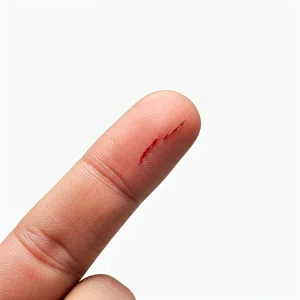
A tiny kitchen nick, a paper cut, a scraped knee from a clumsy moment—most of us glance at small cuts and think, “Eh, it’ll be fine.” And usually, small cuts do heal well on their own. However, once your skin's protective barrier is broken, everyday elements like dirt, water, friction, and germs can easily enter the wound. This isn't being "extra"; keeping cuts clean and covered is simply giving a minor wound the best chance to heal without complications.
The Vulnerability of Small Wounds
Our hands, knees, elbows, and feet are constantly in motion and exposed to various surfaces. A cut finger quickly encounters doorknobs or water during handwashing. A scraped knee rubs against clothing all day. This constant interaction means even small wounds are at risk of irritation and contamination. A clean covering acts as a vital shield, reducing contact with environmental factors and friction, preventing a minor irritation from becoming a lingering discomfort.
Beyond the "Mummy" Wrap: Effective Covering
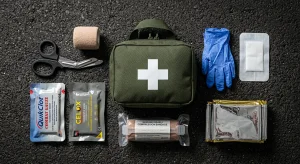
For most minor cuts and scrapes, effective covering doesn't require excessive bandaging. Adhesive bandages, sterile gauze pads secured with medical tape, or other clean dressings are usually sufficient. The goal is to create a barrier against dirt and germs. To ensure you're always prepared, good first aid kit organization is key. Having essential supplies like various bandage sizes, antiseptic wipes, and tape readily accessible means you won't be scrambling to find items when a wound needs immediate attention. Nobody wants to search through drawers with a bleeding finger.
The Power of Waterproof Bandages
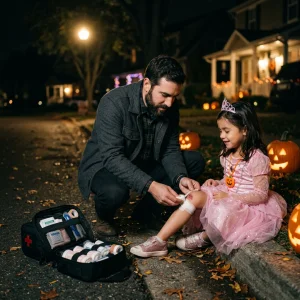
Waterproof bandages are invaluable for cuts on hands, fingers, knees, or any area prone to getting wet. They're perfect for activities like washing dishes, gardening, or managing children outdoors. The CDC advises covering clean open wounds with a waterproof bandage to minimize infection risk, particularly during water exposure. Remember, a bandage that is wet, dirty, or peeling has lost its protective ability and should be replaced promptly. Don't hope it lasts one more day!
When a Small Cut Might Need More Attention
Basic first aid for cuts works best for truly minor injuries. Seek medical advice if a wound is deep, bleeds profusely, contains embedded dirt or objects, or results from an animal bite or a dirty puncture. Watch for signs of infection: spreading redness, increased swelling, worsening pain, warmth around the wound, pus or drainage, or fever. These symptoms indicate it's time for professional evaluation.
FAQ: Do I need to keep every small cut covered all the time?
Not necessarily. While covering is generally recommended, it's most important when the wound is likely to be exposed to dirt, water, friction from clothing, or potential contaminants. For very minor, clean scrapes in a low-risk environment, some air exposure might be fine, but when in doubt, cover it.
FAQ: What are the essential items for basic wound care?
A well-stocked first aid kit should include adhesive bandages of various sizes, sterile gauze pads, medical tape, antiseptic wipes or solution, and ideally, some waterproof bandage options. Good first aid kit organization ensures these are easy to find when needed.
FAQ: How often should I change a bandage?
You should change a bandage if it becomes wet, dirty, or loose. For most minor cuts, it's a good practice to change the bandage at least once a day, or more frequently if needed, after cleaning the wound.