Don't Just Buy One: Strategic Placement for Your Family's First Aid Kits
Most families are great with smoke alarms, spare batteries, and even a well-stocked snack cabinet. But first aid kits? Often, it’s a "one and done" purchase tucked away, hoping everyone magically knows where it is when needed. Let's be real: minor accidents don't politely wait while you search for supplies.
Why One Kit Isn't Enough
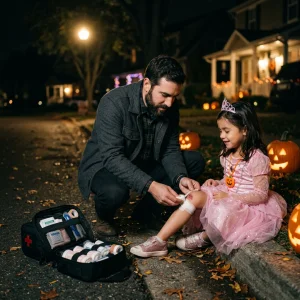
Life is full of small surprises: a kid bumps their head in the car, a kitchen burn, or a cut finger at work. Real family preparedness isn't about piling everything in one spot; it's about placing essential supplies where life actually happens. The answer to "how many first aid kits?" is rarely "just one." A smarter setup means having kits where your family spends time.
Home Base: Your Primary Emergency Hub
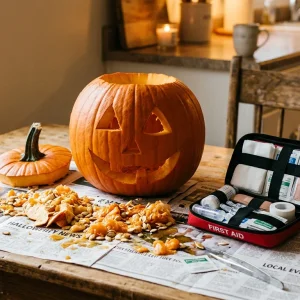
For your home, a larger, comprehensive first aid kit makes sense. Think of it as your quiet safety manager. It’s ready with gauze, gloves, tape, burn dressings, and bandages for everyday home situations like kitchen mishaps, kids' scrapes, or pet-related incidents. This is the core of your family's emergency kit.

On the Go: Your Car's Roadside Guardian
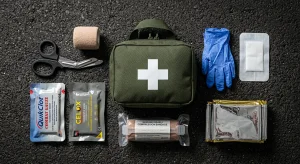
A compact, portable first aid kit is ideal for the car. Easy to store in a glove box or seat-back pocket, it's your road-trip sidekick. It’s appreciated when a scrape or small cut happens away from home, ensuring you're prepared for unexpected roadside boo-boos.
Beyond Home: Your Workplace & Activity Areas
Don't forget your daily routines. An office, workshop, or garage should have a small, easily accessible first aid kit. Paper cuts, tool bumps, or box-cutter nicks are common. A dedicated workplace first aid kit ensures these minor annoyances don't escalate, providing immediate relief without a long search.
True family preparedness isn't about overthinking; it's about making life easier and safer. A simple setup works well: one larger kit at home, one compact kit in the car, and one backup in a high-use area. The worst thing about a first aid kit isn't never using it; it's needing it and realizing it's somewhere else.
FAQ
How many first aid kits should a family have?
Most families should have at least three first aid kits: a comprehensive one at home, a compact one in the car, and another small one for a workplace, garage, or frequently used activity area. Families with children, pets, or active lifestyles might benefit from more.
What kind of first aid kit is best for home?
For home, a larger kit with 300+ pieces is recommended. This provides ample supplies for common household injuries like burns, cuts, scrapes, and sprains, serving as your main emergency kit.
Why do I need a workplace first aid kit?
Even in an office or workshop, minor injuries like paper cuts, small abrasions, or tool-related nicks are common. Having a dedicated workplace first aid kit nearby ensures immediate treatment, preventing minor issues from becoming bigger problems due to delayed care.