The Health and Safety (First-Aid) Regulations 1981: UK Employers' Mandate
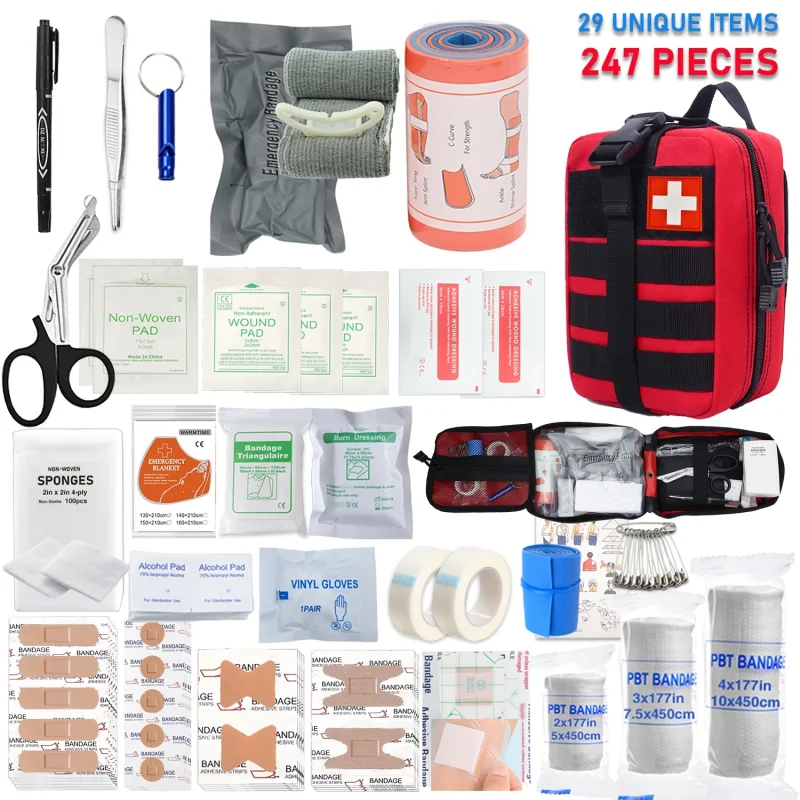
The Health and Safety (First-Aid) Regulations 1981 are not merely advisory; they are a fundamental legal requirement. UK employers must ensure adequate first-aid provisions in the workplace. This goes beyond a basic first-aid box. It means having the right equipment, suitable facilities, and enough properly trained personnel to provide emergency care. These rules apply to every workplace. Employers must review their first-aid needs regularly, as it is an ongoing responsibility.
Origin and Benefits
These specific first-aid regulations derive their authority from the Health and Safety at Work etc. Act 1974, becoming fully enforceable in 1982. The Health and Safety Executive (HSE) actively enforces these standards to reduce the impact of workplace injuries and illnesses. Timely first aid is critical. This commitment not only fulfills a legal obligation but also boosts employee confidence and morale. Financially, a robust first-aid infrastructure can reduce costs—through lower insurance premiums, decreased hospitalization expenses, and protection against penalties or legal action.
Defined Roles and Responsibilities
In a compliant workplace, both employers and employees have clear, essential roles. Defined duties ensure first-aid provisions are both effective and legally sound.
Core Requirements of the Health and Safety First Aid Regulations 1981
First, employers must complete a thorough first-aid needs assessment. This is not guesswork; it is a calculated decision that determines the number of first-aiders required, the contents of first-aid kits, and specific facility needs. Factors such as inherent workplace hazards, employee count, location, and past accident history all inform this assessment. Additionally, clearly displayed first-aid signage and readily accessible equipment are foundational requirements.
Common Mistakes and Practical Solutions
A frequent error is treating a first-aid needs assessment as a fixed document. Workplaces change, and so do their hazards. Review it annually, or after any significant operational shifts—this is non-negotiable. Another common oversight: inadequate training. Simply designating someone as a first-aider is insufficient; they need current, appropriate certification. Always verify qualifications and schedule refreshers. Finally, neglecting to restock first-aid kit contents is a surprisingly common issue. Regular checks, at least monthly, are vital.
Streamline Compliance with SafetyCulture
Digital tools like SafetyCulture can greatly simplify compliance. Use it to schedule and document first-aid needs assessments. Track first-aider certifications and training expiry dates easily. Log equipment checks and replenishment consistently. This proactive, digital approach helps you meet all workplace first-aid requirements and adhere to HSE standards, preventing manual errors and potential non-compliance penalties.
FAQ: What are the Health and Safety First Aid Regulations 1981?
These are UK legal standards that require employers to provide adequate first-aid provisions for their employees. This includes appropriate equipment, suitable facilities, and properly trained personnel.
FAQ: Who enforces the Health and Safety First Aid Regulations 1981?
The Health and Safety Executive (HSE) is primarily responsible for enforcing these first aid regulations across the United Kingdom.
FAQ: How often should a first-aid needs assessment be updated?
Employers should review their first-aid needs assessment annually, or immediately following any significant workplace changes—such as new processes, equipment upgrades, or an increase in staff numbers. This ensures ongoing adherence to HSE first aid guidelines.