Practical Field Manual: Tactical Protocols for Emergency Preparedness
Power grid failure. Flash flooding. Rapidly deteriorating weather fronts. Disasters do not wait for convenient operational windows. Whether hardening a commercial facility, leading a field team, or securing your home, effective preparedness rests on two stark realities: actionable intelligence and redundant hardware.
Phase 1: Hazard Identification and Risk Assessment
Before spending a dime on tactical gear, execute a rigorous threat audit. Skip the guesswork. Pull official environmental agency hazard maps and hydrological databases to verify your property's exact floodplain elevation. Weather shifts fast; tracking regional watershed alerts during heavy rainfall provides the lead time needed to deploy physical barriers or trigger evacuation plans.
Effective crisis response demands precise spatial awareness. Map every high-consequence risk within a five-mile radius—chemical processing plants, freight rail corridors, electrical substations, and primary drainage basins.
Phase 2: Redundant Communications and Contact Plans
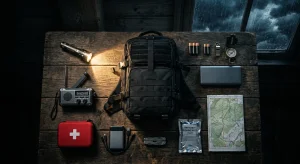
The moment crisis strikes, cellular networks overload. Relying on a smartphone for critical numbers creates a single point of failure. Keep your primary communications roster on paper—printed, laminated, and stored in both your primary vehicle and bug-out bag.
Establish an out-of-region point of contact. Local circuits jam immediately during emergencies, while long-distance trunk lines often stay open. Maintain physical directories containing facility managers, trauma centers, municipal utility desks, and key team leaders. Clearly document direct emergency utility reporting lines, including local network operator dispatch numbers like 105.
Phase 3: Power Loss Protocols and Environmental Hardening
When the power grid goes down, operations grind to a halt. Tucking a cheap plastic flashlight into a desk drawer is not a power strategy. You need dedicated tactical lighting delivering at least 300 lumens with a continuous 12-hour runtime on a single charge or battery set.
Fortifying your site against severe climate shocks requires strict hardware maintenance. Store lithium-ion power banks in climate-controlled spaces; sub-zero temperatures drain battery capacity by up to 40%. Run monthly 30-minute load tests on backup generators under actual operational demand, and never let stored fuel sit without fuel stabilizer.
- Lighting: Hands-free headlamps with dedicated red-LED modes to preserve night vision while navigating indoor blackouts.
- Power Generation: High-capacity LiFePO4 power stations paired with rigid, weatherproof solar arrays for multi-day grid collapses.
- Thermal Defense: Reinforced Mylar bivvy sacks, heavy-gauge wool blankets, and secondary heat sources rated for emergency indoor use.
Phase 4: Medical Preparedness and Equipment Standardization
A basic adhesive-bandage kit fails instantly against severe physical trauma. Standardize your medical loadout against proven operational benchmarks like ANSI Z308.1-2021 Class B or OSHA 1910.151. Your field trauma kit must immediately handle severe bleeding, airway compromise, and environmental exposure.
Core trauma kit components include:
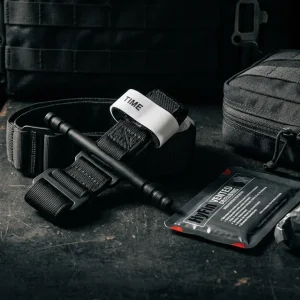
- Tourniquets: CoTCCC-recommended windlass devices (CAT Gen 7 or SOFTT-Wide). Stage them unboxed, pre-folded for rapid deployment, and accessible with either hand.
- Hemorrhage Control: Z-folded hemostatic gauze (QuikClot or Combat Gauze) backed by 6-inch elastic pressure dressings.
- Thoracic Care: Dual-pack vented chest seals designed to stabilize penetrating chest injuries.
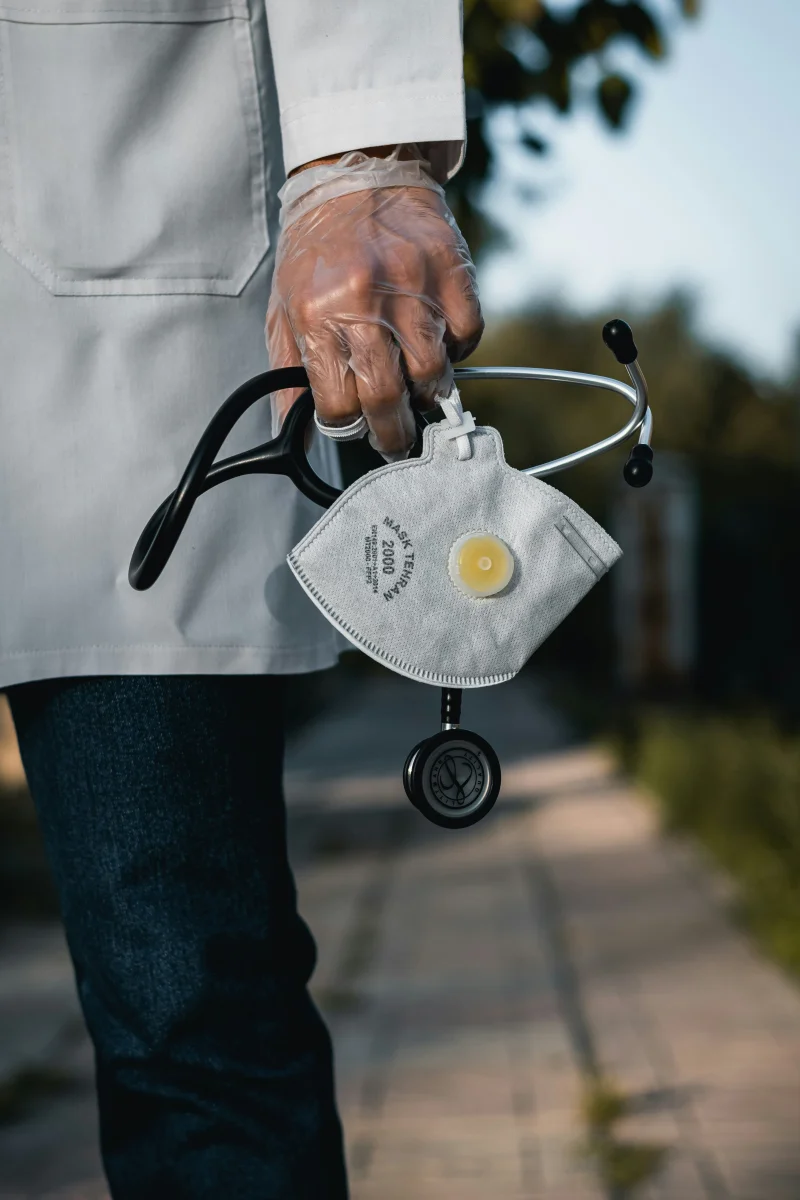
- Personal Protection & Tools: High-dexterity nitrile gloves (5mil minimum) paired with heavy-duty trauma shears capable of slicing through leather boots and thick canvas.
Having high-end trauma gear means nothing if panic sets in when blood hits the floor. Drill these interventions under physical fatigue and stress until muscle memory takes over completely.
Phase 5: Operational Readiness and Local Resilience
Personal gear buys hours; community networks buy weeks. Form mutual-aid agreements with neighboring facilities, commercial operators, or trusted property owners. Pooling assets—heavy machinery, high-volume water filtration systems, and specialized medical expertise—dramatically increases survival odds when municipal services collapse.
At home, turn emergency protocols into second nature. Run full-scale evacuation drills twice a year. Assign explicit roles: one person secures dependents and livestock while another retrieves the trauma kit and communications binder. Speed comes from calm repetition, not panic-driven adrenaline.
Frequently Asked Questions
What is the minimum medical kit standard required for practical emergency preparedness?
For individuals and personal vehicles, ANSI Z308.1-2021 Class A forms the baseline. For industrial facilities, tactical teams, or high-risk sites, upgrade to Class B configurations augmented with CoTCCC-approved tourniquets, compression dressings, and hemostatic agents.
How often should an emergency contact plan and inventory be audited?
Audit physical gear and contact directories every six months. Check expiration dates on sterile dressings, hemostatic gauze, batteries, and emergency rations. Flush and rotate stored potable water every 6 to 12 months unless treated with long-term water preservers.
What immediate steps should be taken during an unannounced power grid failure?
First, disconnect sensitive electronics at the breaker or wall outlet to prevent destructive voltage surges when power returns. Switch to pre-staged hands-free lighting, verify the safety of all team members or family, and report the outage to your local grid operator using battery-powered comms.