The biggest problem with a first aid kit is not always that it is missing supplies. Sometimes the real problem is that everything is technically in there, but when you actually need it, the kit suddenly turns into a game of hide-and-seek.
You nick your finger on a box edge and start digging for bandages. You need scissors, and somehow they have decided to disappear. You know you bought alcohol pads, but they are hiding somewhere between gauze, tape, and that one mystery packet nobody remembers packing. Let’s be real: a messy first aid kit can make a small emergency feel way more stressful than it needs to be.
That is why learning how to organize a first aid kit matters. A first aid kit should not feel like a junk drawer with a zipper. It should feel more like a tiny emergency command center. Most of the time, it sits quietly in the background. But when you open it, everything should be easy to spot: cleaning supplies, bandages, tools, and wound care items.
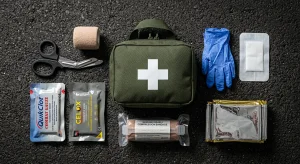
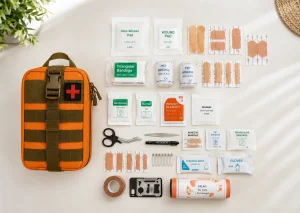
The easiest way to organize your kit is by category. Start with wound care supplies, such as gauze pads, dressings, and medical tape for everyday minor cuts and scrapes. Then group bandages together, including adhesive bandages in different sizes, elastic bandages, and triangular bandages. Keep tools in their own area, such as scissors, tweezers, and safety pins. Finally, place cleaning supplies together, including alcohol pads, antiseptic wipes, and disposable gloves.
Once everything has a category, your first aid kit stops being a mystery box. Need to clean a small cut? Go straight to the cleaning section. Need to cover it? Head to bandages and wound care. Need to open packaging or remove a small splinter? The tools section is ready to clock in. Good first aid kit organization gives you a few extra seconds of calm when you need them most.
This is also why the design of the bag itself matters. A portable first aid kit with clear compartments, smart spacing, and organized storage makes a big difference. A VOZEEL first aid kit is designed to help keep supplies separated and easy to access, whether you keep it at home, in the car, at the office, or with outdoor gear. It is not just about putting supplies in a bag. It is about giving every item its own little seat so it is ready when needed.
After organizing your kit, do not let it sit there forever like it is on vacation. Check it every few months. Replace items that were used, expired, dried out, damaged, or opened. An organized emergency kit is not a one-time project. It works best when it stays ready.
At the end of the day, organizing a first aid kit is not just about making it look neat. It is about making sure your supplies can actually help when life throws a small surprise your way. Minor accidents are already sudden enough. Your first aid supplies should not join the drama by going missing.
FAQ
1.What is the best way to organize a first aid kit?
The best way to organize a first aid kit is to group supplies by use. Keep wound care items, bandages, tools, and cleaning supplies in separate sections so you can find what you need quickly.
2.What should go in the wound care section?
The wound care section can include gauze pads, wound dressings, medical tape, and other basic supplies for everyday minor cuts, scrapes, and small injuries.
3.Where should I keep bandages in a first aid kit?
Bandages should be grouped together in one easy-to-see area. This can include adhesive bandages in different sizes, elastic bandages, and triangular bandages.
4.What tools should be kept in a first aid kit?
Useful tools include scissors, tweezers, and safety pins. Keeping them in their own section helps you avoid digging through the entire kit when you need them fast.
5.What are cleaning supplies in a first aid kit?
Cleaning supplies usually include alcohol pads, antiseptic wipes, and disposable gloves. These items help you clean your hands, supplies, or the area around a minor wound before covering it.
6.How often should I check and reorganize my first aid kit?
Check your first aid kit every 3 to 6 months. Replace items that are expired, dried out, damaged, opened, or already used. A well-organized emergency kit works best when it stays stocked and ready.
7.Why does first aid kit organization matter?
Good first aid kit organization saves time and stress. When supplies have clear places, you do not have to dig through the whole bag during a small emergency. Everything is easier to find, and the kit feels much more useful.