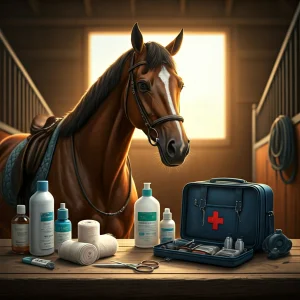
Equine First Aid: Readiness for the Unexpected
Accidents happen. Despite careful planning, horses can get injured or fall ill anywhere. Since bubble-wrapping isn't an option, a well-stocked equine first aid kit for your tack room, trailer, and locker is vital. This enables immediate treatment for minor issues or stabilization of serious injuries while you wait for the vet. Preparation is critical for horse health and safety.
The Essential Barn First Aid Kit
Every barn needs a complete barn first aid kit. This isn't just for emergencies; it's for routine care and unexpected scrapes. Think organized, accessible, and comprehensive.
Key items to gather:
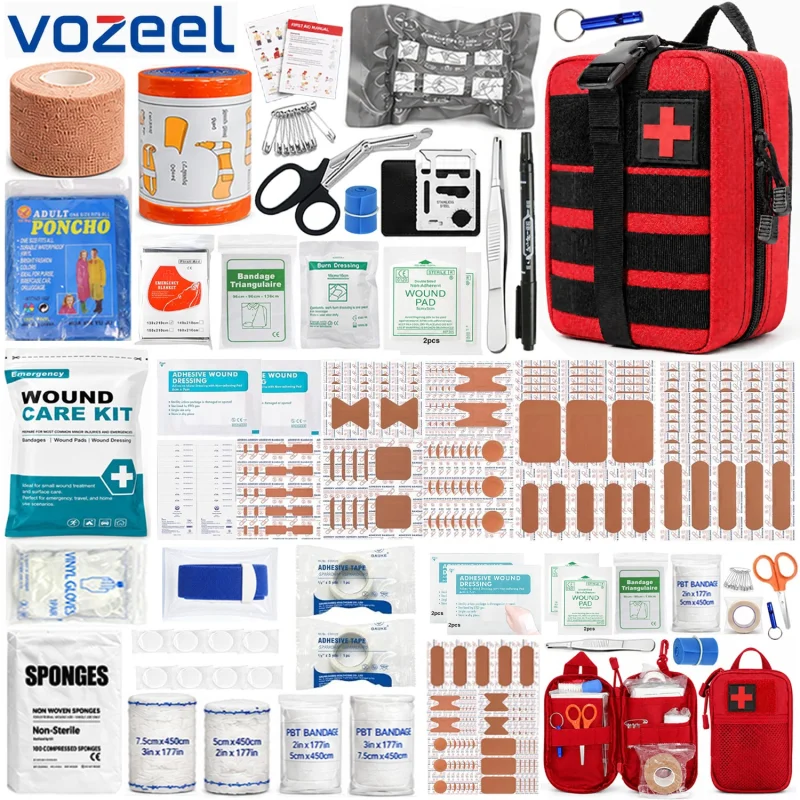
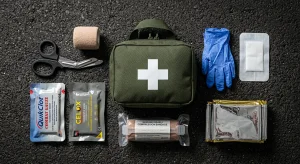
- Wound Care: Sterile gauze pads (various sizes), non-stick wound dressings, cohesive bandages (e.g., Vetrap), adhesive tape, saline solution for flushing, antiseptic scrub (e.g., Betadine or chlorhexidine), antibiotic ointment.
- Tools: Bandage scissors, tweezers, hoof pick, small flashlight, stethoscope.
- Diagnostics: Rectal thermometer (with a string tied to it for retrieval), disposable gloves.
- Emergency Medication (Vet-Approved): Discuss with your veterinarian. Having an approved horse anti-inflammatory like Phenylbutazone ("bute") or flunixin meglumine ("Banamine") can be life-saving for colic or acute lameness. Ensure you understand dosage and administration.
Keep a printed horse first aid checklist inside the kit. Review it quarterly. Replenish items immediately after use.
Trailer & Locker Kits: Redundant Preparedness
One kit isn't enough. Maintain separate, identical horse first aid kits for your trailer and individual locker. Imagine being miles from the barn with a lame horse and no supplies. Don't let that happen.
A compact kit for the trailer should include:
- Smaller quantities of wound care supplies.
- A robust hoof boot (e.g., an Old Mac's or similar) for stone bruises or lost shoes.
- Epsom salts for soaking.
- Instant cold packs.
This redundancy ensures you're prepared regardless of your horse's location. This is fundamental for emergency horse care.
Storage and Maintenance
Proper storage prolongs the life of your supplies. Use a sturdy, waterproof container with a secure latch – a repurposed toolbox or a dedicated medical container works well. This protects contents from dust, moisture, and pests. Extreme temperatures degrade medications and sterile packaging. Store kits in a temperature-controlled environment if possible. Regularly check expiration dates. Replace anything compromised. An expired antiseptic is useless. An unsterile bandage, worse.
Veterinarian Consultation is Non-Negotiable
Before assembling any horse first aid kit, consult your veterinarian. They can recommend specific medications, provide dosage instructions, and advise on techniques for common injuries. They know your horse's history and regional risks. Their input is invaluable for effective emergency horse care. This is where you get personalized, actionable advice, not generic recommendations.
FAQ: Equine First Aid
What is the most important item in a horse first aid kit?
While many items are critical, a rectal thermometer is arguably the most important diagnostic tool. Early detection of fever can indicate serious infection, and monitoring temperature is vital for conditions like colic or laminitis. Its proper use enables prompt veterinary intervention.
How often should I check and replenish my horse first aid kit?
Inspect your kits quarterly. Check all expiration dates, especially for medications and sterile products. Replenish any used items immediately. A depleted kit offers no protection. Treat it like essential safety equipment—always ready.
Can I use human first aid supplies on my horse?
Some basic items like gauze, adhesive tape, and saline solution are interchangeable. However, never use human medications without explicit veterinary guidance. Dosages and active ingredients differ significantly, and some human drugs are toxic to horses. Always err on the side of caution and consult your vet.