Preparing for the Unexpected: Essential Hiking Clothing for All Conditions
When you venture into the great outdoors, optimism is a great mindset, but preparedness is paramount. "Hope for the best weather, but pack for the worst" is more than just a saying; it's a critical safety guideline, especially when it comes to your hiking clothing. Even in midsummer, and particularly at higher elevations, conditions can shift rapidly from sunny to severe. Investing in reliable outdoor gear that protects you from cold and rain is non-negotiable for a safe and enjoyable experience.
The Peril of Cotton: A Cold Weather Warning
One of the most crucial rules for effective hiking clothing is to avoid cotton. This natural fiber might feel comfortable for everyday wear, but it's a liability in the wilderness. When wet, cotton loses all its insulating properties, holding moisture against your skin. This drastically accelerates heat loss and can lead to hypothermia, a life-threatening condition, particularly during cold weather hiking or unexpected downpours. Instead, choose synthetics like polyester or polypropylene, or natural alternatives like wool (especially Merino) or silk. Wool, in particular, continues to insulate even when wet and resists odors better than synthetics.
Mastering the Art of Layering
The key to adapting to changing conditions is layering. Your outdoor gear should be versatile enough to allow you to add or remove clothing to regulate your body temperature.
Base Layer: Your Skin's Best Friend
This layer sits directly against your skin. Its primary job is to wick moisture away from your body, keeping you dry. For any hike, choose lightweight, breathable, and quick-drying fabrics. In warmer conditions, this might be a light t-shirt, but for cold weather hiking, consider long-sleeved options.
Insulating Layer: The Warmth Provider
This is your primary defense against the cold. Depending on the expected temperatures, this could be a fleece jacket, a down vest, or a puffy synthetic jacket. Even in summer, an insulating layer is essential for higher elevations or cooler evenings.
Outer Layer: Your Shield Against the Elements
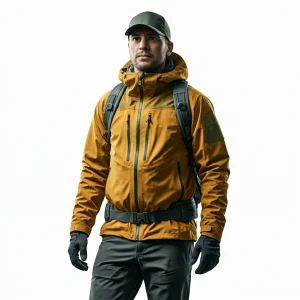
The outermost layer provides critical rain protection hiking and blocks wind. A waterproof and windproof jacket with a hood is a fundamental piece of hiking clothing. Look for features like sealed seams and durable water repellent (DWR) finishes. Don't underestimate the need for this, as sudden storms can appear quickly.
Footwear: Your Foundation for Adventure
While not strictly clothing, appropriate footwear is integral to your outdoor gear. Well-fitting, broken-in hiking shoes or boots are essential. Blisters can quickly derail a trip. Choose footwear suited to the terrain and conditions, prioritizing comfort and support.
By thoughtfully selecting your hiking clothing and outdoor gear, you're not just packing clothes; you're packing peace of mind. Be prepared, stay safe, and enjoy the wild!
FAQ
Why is cotton so dangerous for cold weather hiking?
Cotton absorbs moisture like a sponge and takes a very long time to dry. When it's wet, it loses all insulating properties, drawing heat away from your body. This significantly increases the risk of hypothermia, even in moderately cool temperatures, making it unsuitable for cold weather hiking where staying dry and warm is critical.
What are the three essential layers of hiking clothing?
The three essential layers are: 1) The Base Layer, which wicks moisture away from your skin; 2) The Insulating Layer, which provides warmth; and 3) The Outer Layer, which offers rain protection hiking and blocks wind, keeping you dry and shielded from external elements.
Do I really need rain protection hiking gear in summer?
Absolutely! Weather in the mountains and many outdoor environments can be unpredictable, even in midsummer. A sudden thunderstorm, a temperature drop at higher elevations, or persistent drizzle can quickly make a summer hike uncomfortable and dangerous without proper rain protection hiking gear. Always pack a waterproof outer layer.