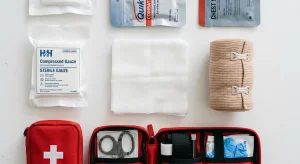
Medical Gauze vs. Bandages: Know the Difference, Stock Right
Gauze stops bleeding and absorbs fluid; bandages apply pressure and hold dressings in place. Confusing the two causes secondary trauma on scene and wrecks your supply budget. Whether preparing for an ANSI/OSHA compliance audit or optimizing facility emergency kits, mastering the mechanics of gauze versus bandages comes first.
Wound Care Roles: Primary Dressing vs. Secondary Support
Gauze acts as the primary dressing applied directly to the wound. On deep lacerations, burns, or surgical incisions, sterile gauze pulls away blood and exudate instantly to accelerate clotting.
Bandages serve as the secondary layer. Their sole job comes down to two tasks: applying sustained pressure to sprains and locking the primary gauze pad firmly in position. Standard elastic roller bandages absorb zero fluid—their power relies entirely on tension.
Material Science: Woven vs. Non-Woven Gauze
Weave construction directly impacts wound healing. The wrong material choice tears away delicate new tissue during dressing changes, inflicting unnecessary pain.
- Woven Cotton Gauze: Built from a loose, 100% cotton mesh. It delivers high absorbency for deep wound packing, mechanical debridement, and heavy exudate. Its drawback: raw cut edges shed loose fibers.
- Non-Woven Synthetic Gauze: Crafted from high-density polyester and rayon blends. It absorbs rapidly with virtually no linting, making it ideal as a direct contact layer for surgical incisions and sensitive lacerations.
Bandage Varieties & Tactical Application
First aid bandages fall into three distinct categories based on field use:
Adhesive Strip Bandages: Designed for minor cuts and abrasions. They pair a medical-grade adhesive backing with an integrated sterile pad for quick application.
Elastic Compression Bandages: Non-sterile rolls engineered to compress joint sprains, control swelling, or bind heavy trauma dressings under tight tension.
Conforming Gauze Rolls: Options like Kling or Kerlix offer high elasticity, wrapping smoothly around elbows, knees, and active joints to prevent internal sterile dressings from shifting.
First Aid Kit Layout & ANSI/OSHA Compliance
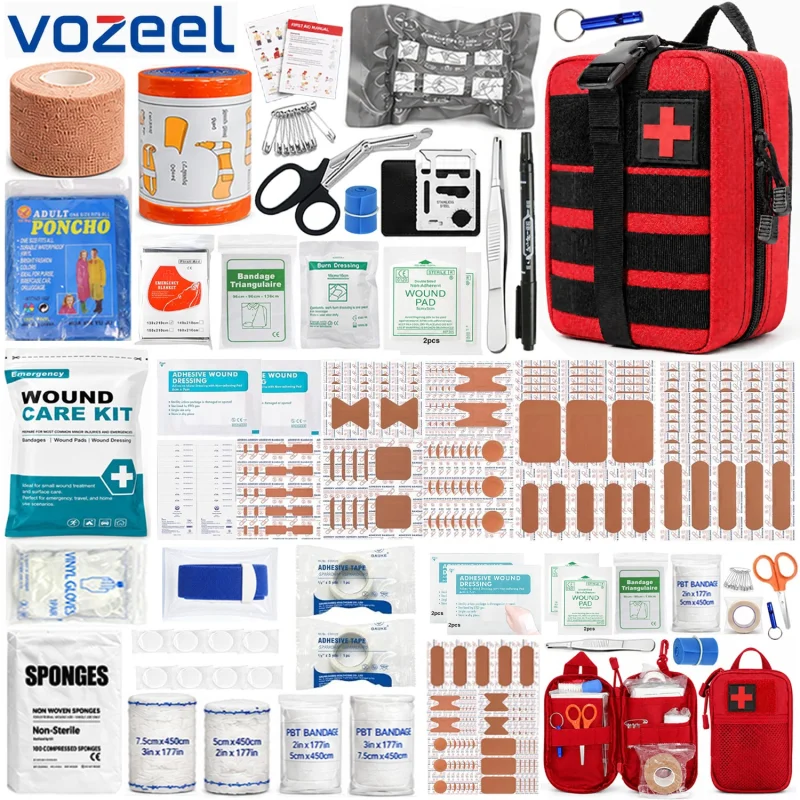
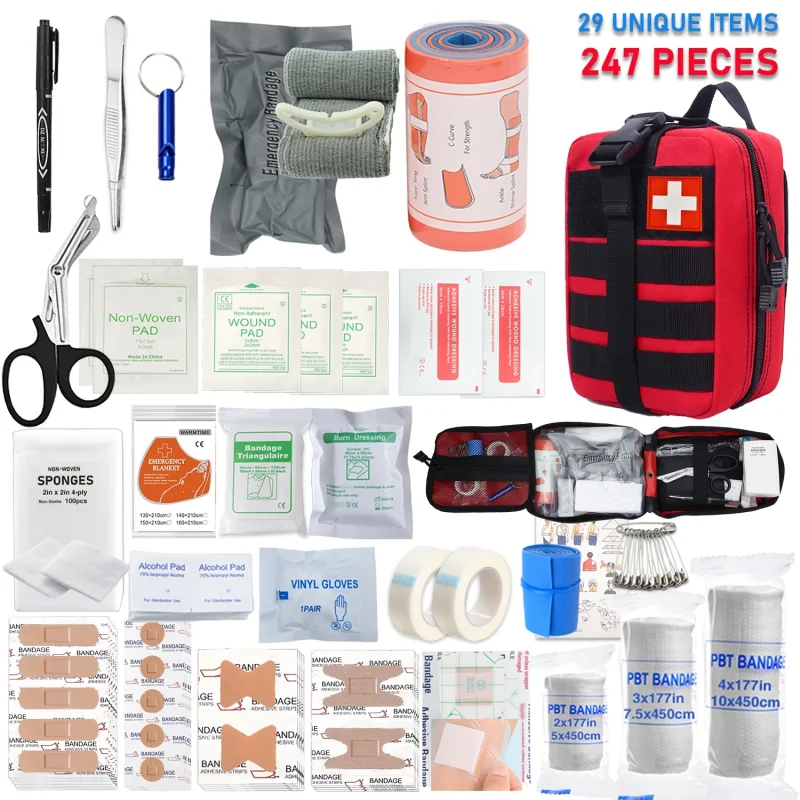
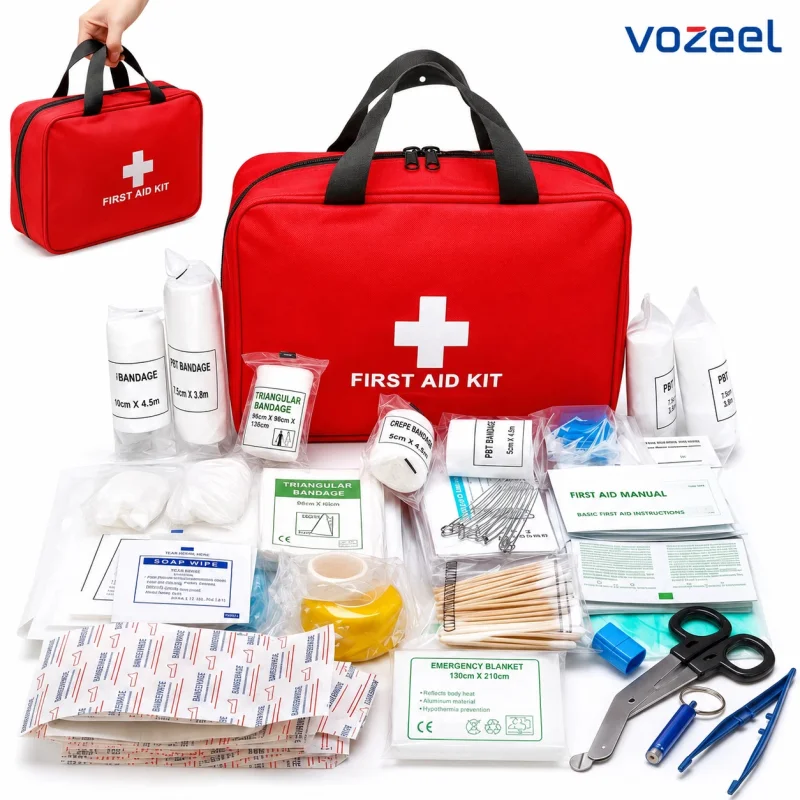
Setting up a compliant first aid kit layout requires strict adherence to ANSI Z308.1 and OSHA standards. Place 4x4-inch non-woven sterile gauze pads and trauma dressings in top compartments for immediate access during severe hemorrhages. Store secondary securing supplies—elastic bandages, triangular bandages, and medical tape—in lower trays or side pockets. Never mix non-sterile elastic wraps directly with sterile dressings.
Can you apply an elastic bandage directly onto an open wound?
Never. Elastic bandages are non-sterile and adhere aggressively to drying blood. Applying one directly to open tissue turns removal into a painful, tearing nightmare. Always lay down a sterile, non-adherent gauze pad first, then secure it using the elastic wrap.
Is a gauze roll considered gauze or a bandage?
It plays both roles. Its sterile construction allows it to serve as a primary absorbent dressing directly on wounds, while its continuous roll format lets it wrap around limbs to secure underlying pads just like a bandage.