A cruise vacation often paints a simple, idyllic picture:
Azure horizons, sun-drenched decks, an endless buffet, a new port to explore, and then—magically—back to the buffet. It’s a flawless vision.
Yet, travel has a curious knack for injecting a dose of unplanned drama. A fresh pair of sandals suddenly decides to chafe, a stray pool edge introduces itself to your shin, or your feet stage a full-blown rebellion mid-excursion.
“Nope. Not another step.”
That’s precisely where a streamlined cruise first aid kit earns its keep. It doesn't need to be a bulky medical supply store. It just needs to adeptly handle those common, minor annoyances that inevitably surface when you’re far from home.
Why Does a Personal First Aid Kit Matter on a Cruise?
Cruise itineraries frequently span several days, packed with more than just cabin relaxation. You might be lounging by the pool, strolling sun-baked decks, exploring pristine beaches, wandering bustling cities, or embarking on adventurous outdoor excursions.
Each activity presents ample opportunity for blisters, minor scrapes, small cuts, and other petty inconveniences that definitely weren't in the brochure.
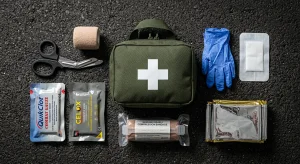
A smart, basic first aid kit for cruise travel should generally include:
- Assorted adhesive bandages
- Antiseptic or cleansing wipes
- A small roll of sterile gauze
- First aid tape
- Disposable gloves
- Your essential personal medications and health supplies
The core principle is practicality: keep it compact, keep it organized, and keep it accessible.
You’re preparing for a vacation, not relocating half an urgent care clinic into your luggage.
Your suitcase is already working overtime.
Stash the Main Kit in Your Cabin, Carry a Smaller One Ashore
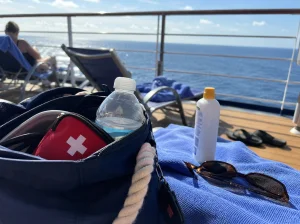
Your primary cruise travel emergency kit belongs in your cabin, nestled with your other travel essentials. When you disembark, simply select the items relevant for the day’s adventures.
A compact shore excursion first aid kit might consist of a few adhesive bandages, cleansing wipes, a bit of gauze, and any personal items you regularly need.
For most casual sightseeing days, that’s plenty.
After all, you’re already juggling your phone, a water bottle, your cruise card, sunscreen, and whatever irresistible souvenir you impulsively bought five minutes ago.
Your shoulder doesn’t need to bear the weight of a full medical inventory, too.
Consider Sun, Humidity, and Water
The ocean breeze is undeniably photogenic.
For paper packaging and bandage adhesive?
Less so.
Pool spray, tropical humidity, beach sand, and unexpected rain showers can all compromise the contents of your kit. A Compact
, Travel
, or Water-Resistant First Aid Bag can offer a crucial layer of protection against everyday moisture and minor splashes.
But let’s be clear:
Water-resistant is not synonymous with waterproof.
The bag might withstand a light spray. That doesn’t mean it should join you for a dip in the pool or spend the afternoon marinating in wet sand.
Inspect individually wrapped supplies periodically, particularly after beach outings or water-centric activities. Discard anything with torn packaging, visible moisture, compromised seals, or other signs of exposure.
The last thing you want is for your bandages to stage their own protest:
“Sorry, we’re not adhesive today.”
A Personal Kit Augments, Not Replaces, Ship Medical Services
A personal, small medical kit for cruise travel is invaluable for addressing minor issues like blisters, small cuts, and routine travel discomforts.
It is emphatically not a substitute for the ship’s medical center or its trained professionals.
For serious injuries, difficulty breathing, chest pain, severe allergic reactions, persistent symptoms, or anything that feels genuinely urgent or concerning, contact the ship’s crew or onboard medical staff immediately.
The rule is simple:
A minor annoyance? Your travel kit can likely help.
Something feels seriously wrong? Call in the professionals.
Do not expect a small pouch of adhesive bandages to handle a medical crisis it was never designed for.
Choose a Kit You’ll Actually Use
The most effective cruise packing safety essentials are those that seamlessly integrate into your plans.
A cruise first aid bag should be compact enough for your luggage, intuitively organized for quick access, and light enough to carry on an excursion when necessary.
It shouldn't be so overstuffed that its zipper is contemplating early retirement.
An ideal setup should be:
- Compact enough to pack effortlessly
- Organized so contents are visible at a glance
- Easy to transfer between your cabin and day bag
- Protected against common moisture and travel wear
Because the truly best
cruise first aid kit isn’t the largest or most imposing one.
It’s the one you can instantly locate before you’re reduced to:
“Wait… where did we put the bandages again?”
FAQ
Q1:What should I pack in a cruise first aid kit?
A well-stocked cruise first aid kit typically includes adhesive bandages, cleansing wipes, sterile gauze, first aid tape, disposable gloves, and any personal medications or health supplies. Tailor the contents to your specific needs and planned activities.
Q2:Can I bring first aid supplies on a cruise ship?
Standard personal first aid supplies are generally permitted. However, always verify the most current policies regarding medications, liquids, sharp items, and specialized products with your cruise line and transportation providers before you travel.
Q3:Do I need to carry the entire kit during a shore excursion?
Typically, no. Select a few frequently used items from your main kit and transfer them to a lightweight shore excursion first aid kit. This provides basic coverage without burdening your day bag with unnecessary bulk.
Q4:Is a water-resistant first aid bag completely waterproof?
No. A Water-Resistant First Aid Bag offers protection against light splashes and humidity, but it is not designed for full submersion. For areas like pools, beaches, or water-based activities, consider additional protective measures.
Q5:Can my personal first aid kit replace the cruise ship’s medical center?
Absolutely not. A personal first aid kit for cruise travel is intended solely for minor, self-treatable issues. For serious injuries, severe symptoms, or any health concern that warrants professional attention, contact the ship’s crew or medical services immediately.