Every community cleanup starts with pure optimism.
A dozen volunteers lace up their boots, grab trash bags and grabbers, and march into the park buzzing with civic pride.
“Let’s transform this place!”
Then twenty minutes happen.
Someone takes a rogue blackberry bramble to the forearm. Someone else drops a rusted iron grate on their thumb. And a sub-group has drifted so far down the creek trail that shouting won't bridge the gap.
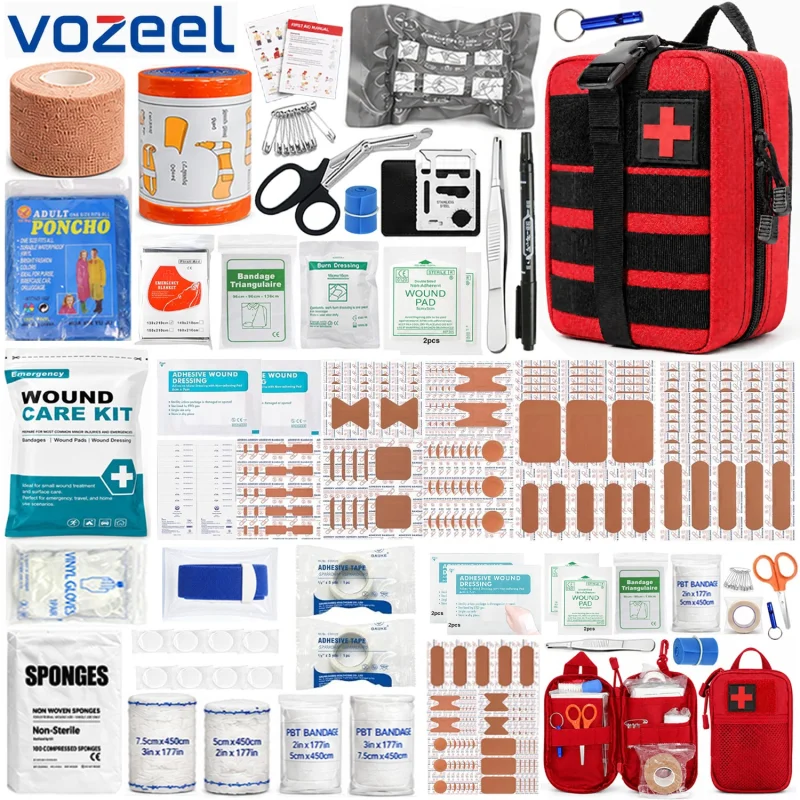
That’s the exact second a well-stocked community cleanup first aid kit proves its worth.
You don't need to treat a Saturday neighborhood sweep like a tactical military drill. But you do need to avoid the panicked, echoing question when blood meets skin:
“Wait... who actually has the Band-Aids?”
Establish One Unshakeable Ground Zero
For any volunteer workday, your primary volunteer first aid kit belongs in a single, unmissable spot.
Anchor it somewhere logical:
- The main check-in desk
- The central water and supply cooler
- The event director’s vehicle trunk
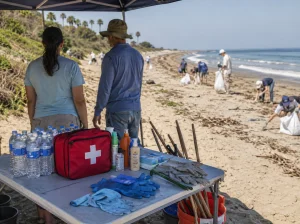
- A designated canopy tent flying a bright high-vis banner
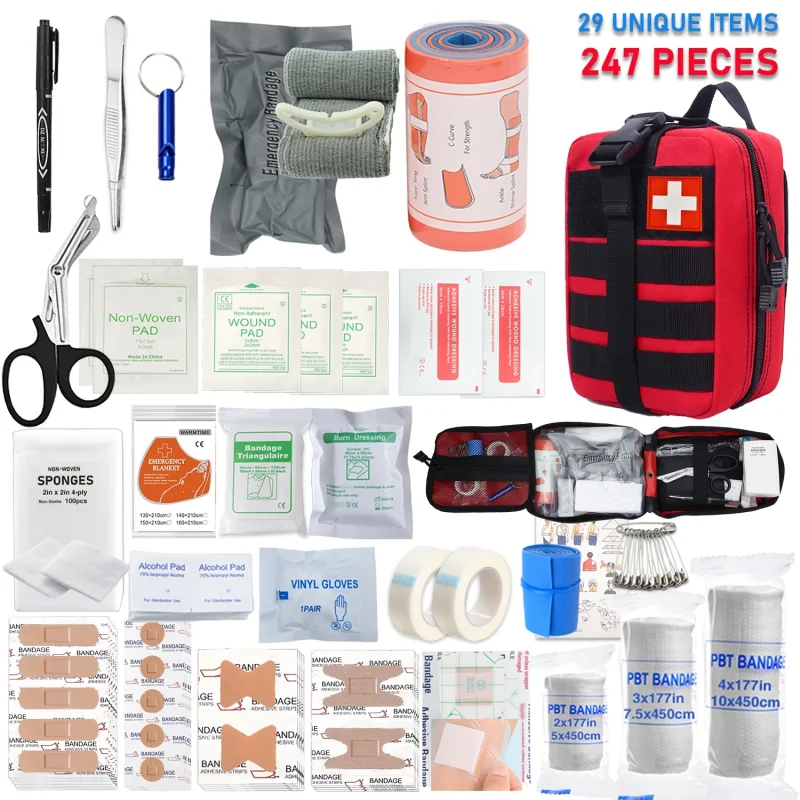
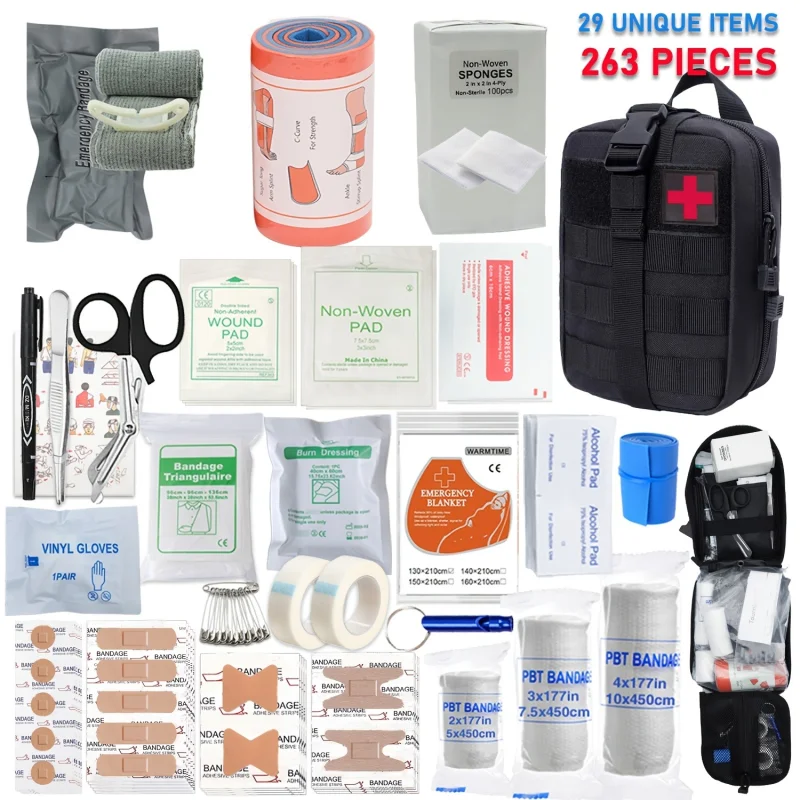
Pack it with heavy-duty fabric bandages, antiseptic wipes, sterile 4x4 gauze pads, medical tape, nitrile gloves, and instant cold packs. Most importantly, ensure every team lead knows its exact coordinates.
Eliminate vague directions like: “I think it’s under one of those folding tables.”
Replace them with sharp clarity: “It’s the bright orange box sitting directly on the registration table.”
Volunteers signed up to pick up litter, not participate in an unplanned scavenger hunt for medical supplies.
Equip Mobile Teams with Lightweight Field Pouches
Park restoration, river sweeps, and neighborhood-wide cleanups naturally fragment your workforce.
Team A tackles the overgrown ravine. Team B works three blocks west along the highway shoulder. Team C wanders half a mile down the coastline because nobody told them where the property line ends.
When crews operate out of line-of-sight from command central, the group lead needs a compact community volunteer emergency kit attached to their hip or pack.
Leave the bulky hard cases at base camp. A weather-resistant waist pack loaded with trauma shears, wound wipes, blister pads, and assorted bandages is all a roving crew needs to keep working.
Walking 800 yards back to headquarters just to grab a single blister plaster is a fast way to kill morale.
Match Your Gear to the Terrain: Park & Trail Realities
Woods, ravines, and public parks bring thorn bushes, hidden poison ivy, rusted barbed wire, and slick riverbanks. A generic office emergency kit won't cut it here.
Your park cleanup safety supplies must mirror the actual hazards on the ground. Beyond standard wound care, outfit your team with:
- Thick leather or nitrile-coated work gloves
- Sturdy, closed-toe boots (zero canvas sneakers)
- High-visibility safety vests for roadside crews
- Bulk electrolyte refills and potable water
- Broad-spectrum sunscreen and insect repellent
- Ergonomic trash grabbers to keep hands far away from unknown debris
Keep your central kit off the damp soil, mud, and garbage piles. Dust, moisture, and trash juices destroy sterile packaging fast. Keep medical supplies elevated and dry.
Protect Supplies from Salt, Sand, and Scorching Heat
Coastal sweeps present a whole different set of enemies: salt air, blowing sand, water immersion, and relentless UV exposure.
A beach cleanup first aid kit requires hard-shell waterproof protection—think a gasket-sealed dry box or heavy-duty dry bag.
Sand ruins adhesive tape and compromises sterile wrappers faster than you think. Keep individual team pouches sealed tight inside zip-top bags until the moment someone actually cuts a foot on a broken seashell or sharp driftwood.
At wrap-up, inspect every opened kit. Throw away any wrappers that feel gritty, damp, or sun-baked.
Plan for Wild Temperature Swings and Sudden Downpours
Microclimates don't care about your event schedule. A crisp 60°F morning can easily morph into a sweltering 90°F afternoon, or collapse into a driving rainstorm without warning.
Your outdoor volunteer safety supplies must account for environmental stress, not just physical cuts and scrapes.
Smart organizers bake environmental contingencies right into the operational plan:
- Mandatory 10-minute shade breaks every hour in hot weather
- Shade pop-up canopies set up over staging areas
- Active weather monitoring via radar apps
- Non-negotiable call-off thresholds for lightning or extreme wind
First aid kits patch up scrapes. They can’t cure heat stroke or hypothermia after you ignore the storm warning blowing in from the west.
Set Strict Protocols for Hazardous Debris
Volunteers will stumble across jagged metal, cracked glass, toxic chemical containers, or discarded medical sharp objects. Good intentions shouldn't lead to an ER visit.
Establish hard boundaries during the morning safety briefing: If you didn't drop it and you can't identify it, don't touch it.
Provide dedicated puncture-resistant sharps containers and heavy tongs for designated leads. If volunteers find illegal dumping sites or hazardous industrial materials, flag the location and alert municipal authorities or event coordinators immediately.
A 50-cent pair of cotton gloves does not transform a neighborhood volunteer into a qualified hazmat technician.
Turn Crew Leads into Safety Anchors
If you're managing 50 people across a sprawling site, communication breaks down fast unless team leaders are fully briefed.
Before handing out trash bags, ensure every crew chief has five things locked down:
- The precise location of the primary medical station
- A packed mobile field pouch for their immediate squad
- Direct phone numbers for the event organizer and safety officer
- An emergency rally point in case of bad weather or site evacuation
- Clear instructions on when to bypass event staff and call 911 directly
Hope is not a management strategy, and “I think Sarah knows where the car is parked” won't cut it during an emergency.
Run a 2-Minute Kit Audit After the Final Trash Bag Is Tied
When the work wraps up, volunteers naturally group up for high-fives, photo ops, and pizza. But before you zip up the equipment van, take two minutes to audit your medical gear.
Inspect all primary and field kits for:
- Depleted supplies (burn cream, bandages, antiseptic wipes)
- Soaked, torn, or sand-clogged packaging
- Expired ointments or single-use eye wash solutions
- Unreturned mobile pouches from outlying teams
Restock or make a clear purchase list immediately. The worst time to realize your first aid box contains nothing but three empty wrappers and a stray twist-tie is at the start of your next community project.
Know Where First Aid Ends and Emergency Response Begins
A community volunteer emergency kit is designed for basic field triage: minor abrasions, small splinters, insect stings, and minor bumps.
It is not a mobile trauma unit.
For deep lacerations, head trauma, heat illness, respiratory distress, or severe allergic reactions, halt work instantly and contact emergency services. Never hesitate or delay calling professional paramedics to protect event optics.
Keep It Clean, Keep It Safe, Keep It Simple
Building a resilient cleanup safety plan requires zero guesswork. Stick to five rules:
1. Establish a single, visible primary medical hub at base camp.
2. Hand compact field pouches to crew leads heading into distant zones.
3. Protect all supplies inside water- and dust-sealed containers.
4. Brief every team leader on communication and evacuation steps.
5. Audit and restock your inventory before packing up for the day.
Community cleanups exist to restore local parks, beaches, and neighborhoods. With a little foresight, your volunteers go home happy, healthy, and ready for the next project—without a single trip to urgent care.
FAQ
Q1: Should a community cleanup have a central first aid station?
Yes. Every organized event needs a clearly marked primary community cleanup first aid kit at a fixed hub—such as the registration desk or main tent—so volunteers always know where to find core supplies.
Q2: Does every volunteer group need its own first aid kit?
Not full-sized kits, but roving teams working out of sight from base camp should carry a compact volunteer first aid kit pouch managed by a designated crew lead for instant access to bandages and wipes.
Q3: How is a beach cleanup first aid kit different from a park cleanup kit?
A beach cleanup first aid kit requires gasket-sealed waterproof protection against salt air, blowing sand, and moisture. A park cleanup setup emphasizes heavy-duty leather gloves, insect relief, and protection against thorns, glass, and rough terrain.
Q4: Can a community volunteer emergency kit handle serious injuries?
No. A community volunteer emergency kit is strictly for minor field care like small cuts, splinters, and scrapes. Serious trauma, heat illness, severe stings, or head injuries require immediate professional medical intervention via 911.