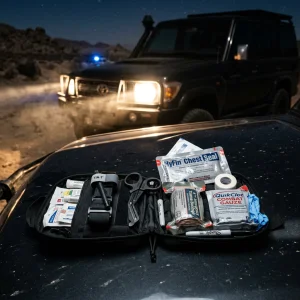
Vehicle Trauma Kit Guide: Engineering Real Roadside Readiness
Standard factory first-aid kits off the shelf at auto stores are built for minor burns, shallow cuts, and headaches. They meet basic ANSI Z308.1 Class A standards designed for quiet office spaces—not high-speed highway collisions. Kinetic vehicular crashes inflict catastrophic arterial bleeding, crushed limbs, deep glass lacerations, and rapid hypothermic shock. Expecting a pocket of adhesive bandages to control an arterial spray from a severed femoral artery is a fatal miscalculation.
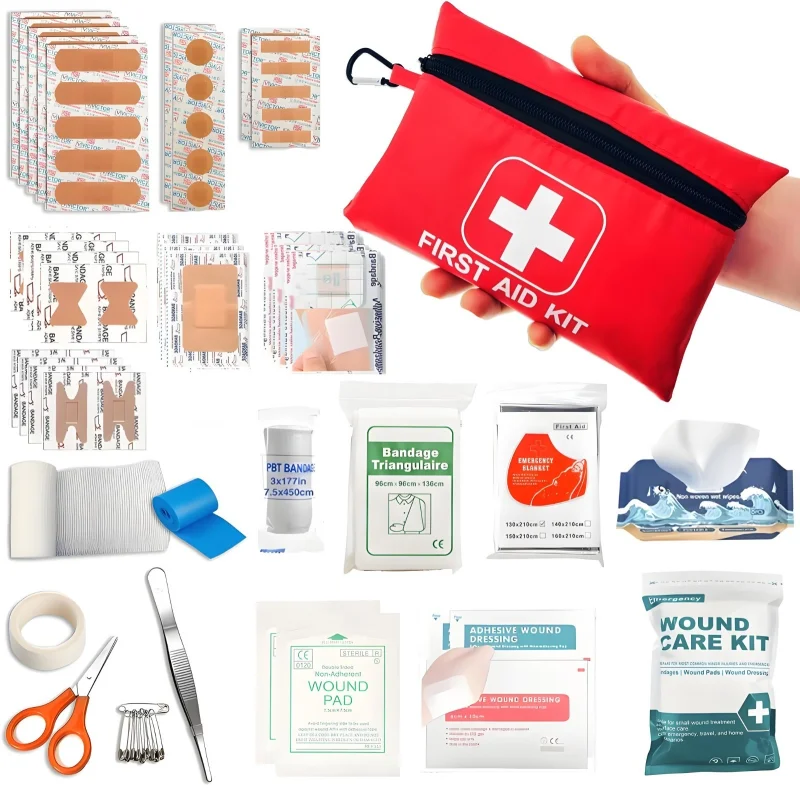
Car First Aid Kit vs Trauma Kit: Understanding the Gap
The difference between a standard car first aid kit and a dedicated vehicle trauma kit comes down to injury mechanics and time-to-treatment. Standard kits offer minor comfort care. A vehicle trauma kit exists for one reason: keeping a crash victim alive during the critical ten minutes before first responders reach the scene.
In rural areas, average EMS response times routinely exceed 14 minutes. In congested city centers, response times average 7 to 9 minutes. A severe arterial bleed can cause fatal exsanguination in under 180 seconds. If your medical setup lacks the tools to control massive hemorrhage instantly, your roadside safety plan relies entirely on luck.
Core Components of a Roadside Trauma Kit
Building a high-impact crash kit requires tactical-grade supplies that withstand punishing cabin heat while delivering fast hemorrhage control. Cheap consumer medical kits rely on flimsy plastic windlasses and substandard gauze that snap or fail under pressure.
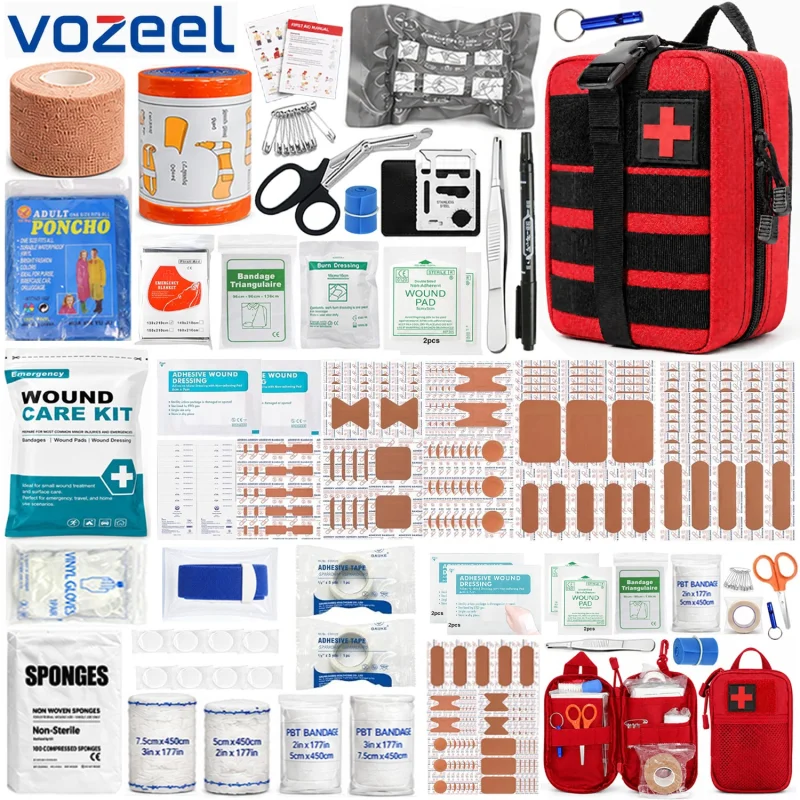
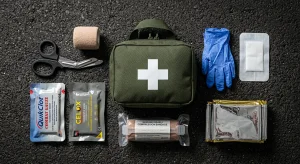
Every vehicle bleeding control kit requires these non-negotiable items:
- CoTCCC-Approved Tourniquet for Car Use: Stick to the Combat Application Tourniquet (CAT) Gen 7 or SOFTT-Wide. Avoid unbranded knockoffs on online marketplaces; their plastic windlasses snap under the tension required to occlude an arterial bleed.
- Wound Packing Kit for Car Cabin Deployments: Hemostatic gauze (such as QuikClot Combat Gauze or Celox) impregnated with kaolin or chitosan. These agents accelerate clotting in junctional areas—like the groin, armpits, and neck—where tourniquets cannot go.
- Pressure Dressings: 4-inch or 6-inch Israeli Emergency Bandages or Olaes Modular Dressings to maintain continuous, focused pressure over packed wounds.
- Vented Chest Seals: Dual-pack chest seals (e.g., HyFin Vent) to treat open pneumothorax (sucking chest wounds) caused by steering column impacts, broken ribs, or shattered windshields.
- Heavy-Duty Trauma Shears: 7.5-inch stainless steel or titanium-coated shears that slice through seatbelts, thick denim, leather jackets, and heavy boots without binding.
- Nitrile Gloves & Hypothermia Blanket: Heavy-duty 6mil+ nitrile gloves (in high-visibility blue or orange to spot blood fast) and a heavy thermal mylar blanket. Trauma victims dump core body temperature rapidly, even in summer.
Thermal Degradation and Interior Mounting Realities
Car cabins create brutal environmental conditions for medical gear. A vehicle parked in summer heat can top 140°F (60°C) inside, while freezing winter temperatures make low-grade plastics brittle.
Heat breaks down adhesives on cheap chest seals, melts petroleum-based wrappings, and compromises plastic parts on counterfeit tourniquets. Inspect gear every six months. Replace adhesive components and rubber bands yearly. Store sterile goods in sealed, UV-blocking foil pouches.
Unsecured gear turns into a dangerous projectile. In a 45 mph crash, an unanchored 5-pound trauma kit strikes with up to 150 pounds of force. Secure your kit with headrest-mounted panels, rigid seatback MOLLE mounts, or direct glovebox storage. Never leave a medical kit resting loose on the rear parcel shelf or trunk floor.
Operational Protocols: The First 180 Seconds
Gear without clear action steps is useless. When responding to a serious wreck, follow this strict priority sequence:
1. Scene Safety and Vehicle Stabilization: Park upstream to block oncoming traffic, turn on hazards, set the parking brake, and cut the ignition on wrecked vehicles to prevent fires. Protect yourself first.
2. Massive Bleeding Control: Spot bright red, spurting, or pooling blood immediately. For limb wounds, place a tourniquet high and tight over clothing, twist the windlass until bleeding stops, and secure it in the clip. Mark the application time.
3. Airway and Respiration: Confirm open breathing. If you find a penetrating chest wound, wipe away blood and apply a vented chest seal immediately.
4. Hypothermia Management: Strip wet clothing if possible and wrap the patient in a thermal blanket. Hemostasis fails rapidly when body temperature drops below 95°F (35°C).
What is the main difference between a car first aid kit vs trauma kit?
A standard car first aid kit handles minor issues like small cuts, headaches, bug bites, and minor burns. A vehicle trauma kit contains specialized medical equipment—such as CoTCCC-approved tourniquets, hemostatic gauze, pressure dressings, and chest seals—engineered specifically to stop massive arterial bleeding and stabilize severe traumatic injuries from high-impact crashes.
Will summer thermal heat ruin the tourniquet for car storage?
Extreme cabin heat (often exceeding 140°F) degrades cheap plastic over time. Authentic CoTCCC-approved tourniquets (like the CAT Gen 7 or SOFTT-W) use high-strength composite polymers tested across extreme temperature ranges. Storing tourniquets in a dedicated, UV-blocking pouch away from direct windshield exposure preserves their service life. Inspect all vehicle gear every six months for material fatigue.
Where is the safest location to store a wound packing kit for car readiness?
Store your wound packing kit where the driver can reach it instantly without unbuckling, while keeping it securely anchored so it won't fly across the cabin during a high-speed crash. Ideal spots include headrest tear-away pouches, driver-side door pockets, glove compartments, or rigid seatback MOLLE panels. Never stash primary trauma gear deep inside the trunk beneath luggage.
Do I need formal certification to use a vehicle emergency preparedness trauma kit?
No formal certification is required to carry or use a vehicle trauma kit, and Good Samaritan laws in most jurisdictions protect bystanders acting in good faith. However, completing a brief 1-hour Stop The Bleed® course or basic trauma class significantly boosts your speed and confidence when applying tourniquets, packing wounds, and managing shock under extreme pressure.