Mastering Your Medical Kit: The Art of Tactical First Aid Kit Organization
In high-stress situations, seconds can mean the difference between life and death. A well-stocked first aid kit is only effective if you can quickly access and deploy its contents. For tactical operators, outdoor enthusiasts, or anyone prioritizing preparedness, mastering first aid kit organization isn't just a suggestion—it's a critical skill.
Why Organization is Paramount
Imagine fumbling through a disorganized bag while adrenaline surges and time is short. A chaotic kit impedes rapid response, increases stress, and can lead to crucial supplies being overlooked. Proper organization ensures you locate the right item instantly, reducing treatment delays and enhancing patient outcomes. It’s about creating a system that works under pressure.
Effective First Aid Kit Organization Strategies
Achieving optimal organization involves more than just stuffing items into a bag. Here are key strategies for superior first aid kit organization:
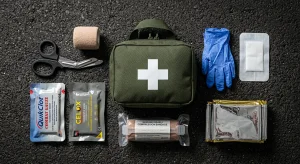
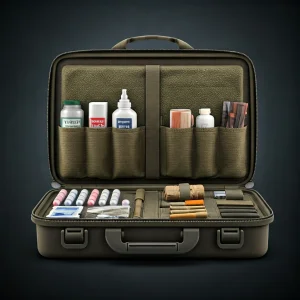
Categorize Your Supplies: Group similar items together. Common categories include: trauma/bleeding control (tourniquets, pressure bandages), airway/breathing (NPA, chest seals), minor injuries (band-aids, antiseptic wipes), medications (pain relievers, allergy meds), and tools (shears, gloves). Use internal pouches or modules for each category.
Label Everything Clearly: Whether it's the external pouch or the individual compartment, clear labeling (written or color-coded) allows for quick identification, even in low light or by someone unfamiliar with your kit.
Prioritize Accessibility: Place the most frequently used or life-saving items (e.g., tourniquet, trauma dressing) in the most accessible spots. Items used less often can be deeper in the kit.
Check and Rotate: Regularly inspect your kit for expired medications, damaged supplies, or items needing replenishment. A good rule of thumb is quarterly checks and after every use. This is a vital part of ongoing first aid kit organization.
Utilize Space Efficiently: Roll bandages tightly, flatten packaging where possible, and remove unnecessary bulky boxes to maximize space without compromising integrity.
Key Components & Accessibility
While the specific contents vary based on mission or personal needs, the principle remains: ensure vital tools like trauma shears, gloves, and a CAT (Combat Application Tourniquet) are always within immediate reach. Building your kit with dedicated modules for different injury types greatly streamlines your response during an emergency.
Investing time in meticulous first aid kit organization pays dividends when it matters most. It transforms your kit from a jumble of supplies into a finely tuned instrument of life-saving preparedness. Stay ready, stay safe.
FAQ
How often should I review and re-organize my first aid kit?
It's recommended to review your kit at least quarterly, and immediately after any use. This ensures all supplies are present, unexpired, and properly restocked. Regular checks are crucial for effective first aid kit organization.
What's the best method for categorizing items for quick access?
Grouping items by their function is highly effective. Examples include "Bleeding Control," "Minor Wounds," "Medications," and "Assessment Tools." Using small, labeled pouches for each category significantly improves speed and efficiency in your first aid kit organization.
Are clear pouches better for first aid kit organization than opaque ones?
Clear pouches offer a distinct advantage by allowing immediate visual identification of contents without needing to open each one. This can save critical time in an emergency. However, opaque pouches offer better protection from UV light for certain medications and can be organized with clear labels.