Emergency Preparedness: When the Unthinkable Happens
No one ever plans for a terror attack. Or a sudden heart attack. Drowning, a catastrophic sports injury—the daily news is a stark reminder: emergencies erupt without warning. They're swift. Unforgiving. And in our workplaces, the same holds true. A fall. A stroke. Even a mental health crisis. Employers aren't just bystanders; they bear a distinct responsibility to act decisively when these moments strike.
The Law: Health and Safety (First-Aid) Regulations 1981
The Health and Safety (First-Aid) Regulations 1981 couldn't be clearer. Employers must guarantee ample equipment, proper facilities, and trained staff are ready. This isn't just for multinational corporations. It applies equally to operations with fewer than five employees. Even self-employed individuals fall under this mandate. The core objective: swift, effective attention for anyone injured or suddenly ill at work.
Core Requirements for Workplace Readiness
Compliance begins with a rigorous audit.
First-Aid Needs Assessment: Scrutinize workplace hazards. Gauge risk levels. Count every employee. Will visitors be present? Contractors? Your assessment dictates everything you need to provide. And this isn't a one-and-done task. Review it, consistently.
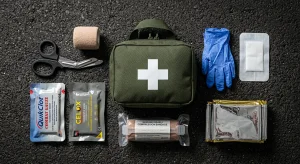
Equipment and Facilities: What exactly makes something "adequate"? It varies. Your assessment is your compass. Will you need someone certified in Emergency First Aid at Work (EFAW)? A full First Aid at Work (FAW) team? At a bare minimum, your first aid kits must meet British Standard (BS) 8599. Some sites might even require a dedicated first-aid room. Don't guess. Assess.
Personnel: Your assessment will confirm if you need trained first-aiders, or simply appointed individuals to manage the arrangements. The HSE strongly advises extending first-aid provisions to non-employees. Visitors. Contractors. The general public. Your duty often stretches well beyond your payroll.
The First-Aider's Imperative
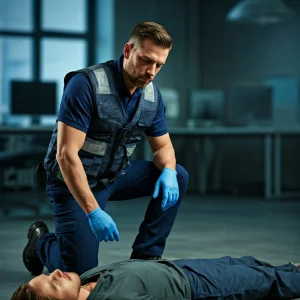
A first-aider's paramount duty: evaluate an injury or illness. Deliver immediate, appropriate first aid. This continues, unflinchingly, until emergency services arrive. Their training level must directly align with your needs assessment. This might be EFAW, covering basic life support and initial injury management. Or FAW, which expands on EFAW, addressing a far broader spectrum of injuries and sudden illnesses.
First-aider duties encompass:
- Precise assessment of injuries and illnesses.
- Delivery of suitable first aid treatment.
- Maintaining competency through annual refresher training. This isn't optional; it's non-negotiable.
- Managing emergency situations with composure.
- Providing continuous care until professional medical assistance takes over.
Frequently Asked Questions
What are the main components of the Health and Safety (First-Aid) Regulations 1981?
The regulations compel employers to furnish appropriate first-aid equipment, facilities, and personnel. This requires a thorough first-aid needs assessment, meticulously tailored to the specific workplace and its inherent risks.
Is "mental health first aid" covered by these regulations?
While the 1981 regulations primarily address physical first aid, the HSE acknowledges the profound importance of mental health first aid. It’s frequently integrated into broader first-aid needs assessments as part of a holistic employee well-being strategy, though it's not explicitly mandated by the 1981 act itself.
How often should I reassess my first aid needs?
There’s no rigid schedule. You must reassess your first aid needs whenever any significant changes occur in the workplace. This includes alterations to processes, equipment, employee numbers, or the introduction of new hazards. Annual reviews are considered best practice even without major operational shifts.