Equip Your Kitchen: The Essential Restaurant First-Aid Kit Guide
Working in a bustling restaurant environment brings unique challenges and, unfortunately, risks. From sharp knives and hot surfaces to slippery floors, accidents can happen quickly. Having a well-stocked, easily accessible first-aid kit isn't just good practice; it's a critical component of staff safety and regulatory compliance. Immediate and appropriate first aid can prevent minor incidents from escalating into serious emergencies.
Core Essentials for Immediate Response
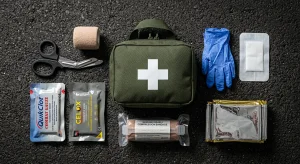
Every restaurant first-aid kit should start with the basics, but remember that standard kits often lack items crucial for a culinary setting. Prioritize supplies for common kitchen injuries:
- Assorted adhesive bandages (various sizes, including knuckle and fingertip bandages)
- Sterile gauze pads and rolls
- Adhesive tape (medical grade)
- Antiseptic wipes and wound cleanser
- Antibiotic ointment
- Non-latex gloves (multiple pairs)
- Scissors and tweezers
- Instant cold packs for sprains or bruises
- Pain relievers (e.g., ibuprofen, acetaminophen)
Addressing Common Restaurant Hazards
Beyond the basics, specialized items are vital for the unique risks of a restaurant:
- Burns: Thermal burn gel or dressings (non-adherent, sterile) are crucial. Regular bandages are often ineffective or harmful for burns.
- Cuts: Larger wound dressings, butterfly closures for deeper cuts, and possibly hemostatic gauze if permitted by local regulations and staff are trained.
- Eye Injuries: Sterile eyewash solution and eye pads are essential for chemical splashes or foreign objects.
- Sprains & Fractures: Triangular bandages for slings, elastic bandages, and basic splinting materials can provide temporary support until professional medical help arrives.
- Allergies: Antihistamines. If staff are trained and regulations allow, an auto-injector (EpiPen) for severe allergic reactions might be considered.
- CPR: A CPR barrier mask for resuscitation.
Maintenance, Accessibility & Training
A first-aid kit is only effective if it's properly maintained and staff know how to use it. Designate a visible, easily accessible location, away from kitchen heat and moisture, but quickly reachable. Conduct monthly inspections to check for expired items, replenish used supplies, and ensure all components are present and in good condition. Most importantly, regularly train staff on basic first-aid procedures and the location and contents of the kit. This proactive approach fosters a safer working environment for everyone.
FAQ Section
How often should a restaurant first-aid kit be inspected?
A restaurant first-aid kit should be inspected at least monthly to check for expired items, ensure all supplies are present, and restock anything that has been used. It should also be checked and replenished immediately after any item is used.
What are the most common injuries in a restaurant kitchen?
The most common injuries in a restaurant kitchen include cuts (from knives or broken glass), burns (from hot surfaces, liquids, or open flames), slips and falls (due to wet or greasy floors), and muscle strains from heavy lifting.
Is basic first-aid training mandatory for restaurant staff?
While specific regulations vary by location, it is highly recommended and often legally required for at least some staff members to have basic first-aid and CPR training. This ensures someone is always available to respond effectively during an emergency.