Apartment living has a special way of making every item compete for space. The kitchen counter is already busy with a coffee maker, takeout sauces, and that one appliance nobody uses but refuses to throw away. The bathroom cabinet is full. The closet has at least two storage bins labeled “sort later.”
That is why an apartment emergency kit does not need to turn your home into a supply warehouse. It just needs a clear home of its own.
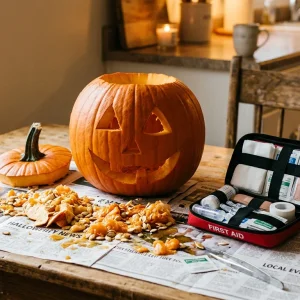
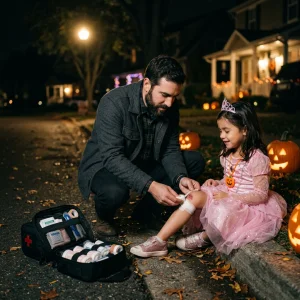
Small apartment mishaps are usually not dramatic. You might catch a finger on a cardboard box while opening a delivery, bump into a cabinet corner while carrying laundry, nick yourself during dinner prep, or step onto a wet bathroom floor and briefly perform an unplanned slide routine.
The problem is rarely the small scrape itself. The problem is realizing your bandages are somewhere in a box, the wipes are in another room, and the scissors apparently moved out without leaving a forwarding address.
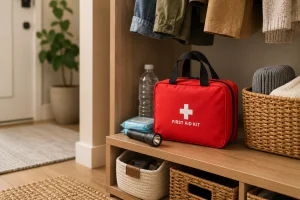
A first aid kit for apartment living works best when it stays in one easy-to-reach place. A kitchen drawer, entryway cabinet, dry bathroom shelf, or closet organizer can all work well. The goal is not to hide it so well that nobody can find it. Everyone in the home should know where it lives.
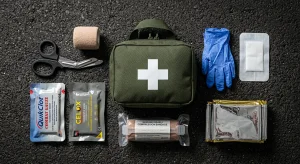
Useful basics can include adhesive bandages, gauze pads, cleansing wipes, medical tape, disposable gloves, tweezers, and scissors. These are simple supplies for the everyday little things that show up without asking permission.
For smaller homes, a compact emergency kit is often easier than spreading supplies across several drawers. A portable 160-piece kit can keep common essentials together in one place without taking over your counter space. It can fit into a closet shelf, entryway cabinet, drawer, or storage basket, and it is easy to grab during a move.
Keeping a small backup kit in the car can help too. It is useful for grocery runs, apartment moves, weekend errands, or those moments when you are carrying too many bags and the parking lot decides to add a plot twist.
Renter emergency supplies are not about making everyday life feel stressful. They are about making the small “well, that happened” moments easier to handle. Your place may be small, but your setup can still be smart.
FAQ
1.Do I need a first aid kit in a small apartment?
Yes. Apartments and rental homes still come with everyday situations like minor kitchen cuts, bumps while moving items, and small bathroom slips. A compact kit takes up little space and is useful when needed.
2.Where should I keep a first aid kit in an apartment?
A kitchen drawer, entryway cabinet, dry bathroom shelf, or closet organizer can work well. Choose a dry, easy-to-reach spot that everyone in the home knows about.
3.What size first aid kit is best for an apartment?
A compact and organized small space first aid kit is usually a good fit. A portable 160-piece kit can hold common supplies without taking up much room.
4.What other renter emergency supplies should I keep at home?
A flashlight, backup batteries, portable charger, drinking water, and basic cleaning supplies are practical items to keep in one easy-to-find area.
5.Should I keep first aid supplies in my car too?
A small backup kit in the car can be helpful for moving days, errands, short trips, and everyday commuting. Keep your main kit at home and a smaller backup kit in the car.
6.How often should I check an apartment first aid kit?
Check it every three to six months. Look for dried-out wipes, low bandage supplies, tape that no longer sticks, and tools that may have quietly wandered into another drawer.