معدات أساسية لحقيبة طوارئ رحلتك البرية
ضروريات لا غنى عنها: إمدادات الطوارئ الأساسية
انسَ التكهنات وركز على الحقائق. حقيبة طوارئ السيارة القوية ليست خياراً إضافياً، بل هي حكمة. الأعطال واردة. الطقس يتغير. إشارة الهاتف تنقطع. سلامتك الشخصية وقدرتك على التخفيف من موقف سيء غالباً ما تعتمدان على توافر الأدوات المناسبة فوراً. فكر أبعد من الإطار المثقوب. نحن نتحدث عن انتظار طويل، إصابات طفيفة، أو انقطاع الاتصال.
إليك الأساسيات لحقيبة طوارئ سيارتك، مبنية على الضرورة العملية:
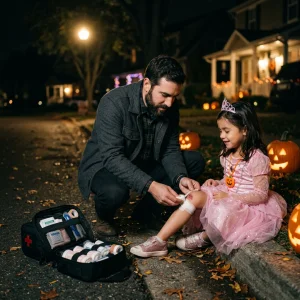
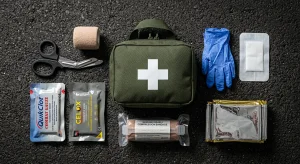
- حقيبة الإسعافات الأولية: على الأقل، حقيبة تستوفي معايير ANSI Z308.1. يجب أن تحتوي على مقص جراحي، ضمادات بأحجام مختلفة، لفافات شاش، شريط لاصق طبي، مناديل مطهرة، مسكنات ألم، وأدوية للحساسية. العاصبة (Tourniquet) ضرورية جداً للنزيف الشديد. لا تنسَ بطانية الطوارئ.
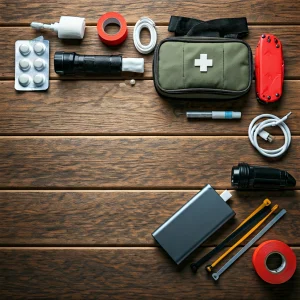
- أدوات الإشارة: صافرة عالية الصوت. مثلث عاكس أو مشاعل للرؤية على جانب الطريق. مصباح يدوي ساطع – LED هو الأفضل – مع بطاريات إضافية. عصي الإضاءة الكيميائية احتياطية جيدة.
- الاتصال: بنك طاقة مشحون بالكامل لهاتفك الخلوي، مع كابلات الشحن المناسبة. قد يتمكن هاتف احتياطي قديم من الاتصال بـ 911 حتى بدون خدمة نشطة. فكر في راديو يعمل بالذراع أو بالطاقة الشمسية لتلقي تنبيهات الطقس.
- أدوات أساسية: أداة متعددة الاستخدامات أو سكين جيب. شريط لاصق قوي (Duct tape). أربطة كيبل بلاستيكية (Zip ties). هذه أدوات متعددة الاستخدامات لحل المشكلات في سيناريوهات البقاء بالسيارة.
هذا الإعداد الأساسي يعالج معظم حالات الطوارئ الشائعة على الطريق. لا تتهاون في هذا الجانب. هذه هي جاهزيتك الشخصية عندما تسوء الأمور.
الاستعداد الخاص بالمركبة: استمر في التحرك (أو ابقَ آمناً)
تحتاج حقيبة طوارئ السيارة إلى معالجة المشكلات الميكانيكية الشائعة وتوفير راحة مؤقتة من العوامل الجوية. هذا لا يعني أن تكون ميكانيكياً؛ بل أن تكون معتمداً على نفسك حتى وصول المساعدة.
تأكد من أن حقيبة الاستعداد لسيارتك تتضمن:
إصلاح وصيانة الإطارات:
- مقياس ضغط الإطارات.
- جهاز بدء تشغيل (Jump starter pack). أكثر أماناً وسهولة من كابلات التوصيل التقليدية.
- مانع تسرب الإطارات أو طقم رقع. للثقوب الصغيرة، يمكن أن يوصلك إلى أقرب محطة خدمة.
- مفتاح ربط العجلات ورافعة (تأكد من ملاءمتها لسيارتك).
الطقس والراحة:
فكر في البيئة التي ستقود فيها. تختلف حقيبة طوارئ الرحلات الشتوية عن تلك المخصصة للصحراء.
- بطانيات دافئة أو أكياس نوم (حتى في الصيف، تبرد الليالي).
- طبقات إضافية من الملابس.
- معدات المطر.
- مواد غذائية غير قابلة للتلف: ألواح البروتين، فواكه مجففة، مكسرات. تكفي لمدة 48 ساعة لكل راكب.
- الماء: 1 جالون على الأقل لكل شخص يومياً. قم بتغييره كل ستة أشهر.
- مجرفة صغيرة، خاصة إذا كان الثلج أو الرمل محتملاً.
- حبل سحب: أداة بسيطة، ولكنها ضرورية للخروج من المواقف العالقة.
عقلية حقيبة المساعدة على الطريق هذه تبقيك مستعداً. أن تكون عالقاً بدون وسيلة للحركة أو البقاء دافئاً هو موقف خطير.
ما وراء الأساسيات: إضافات خاصة بالمواقف لقائمة الطوارئ الخاصة بك
خصّص حقيبة النجاة لرحلة سيارتك بناءً على الوجهة والموسم واحتياجات الركاب. تتطلب الرحلات الطويلة عبر المناطق النائية المزيد. فكر في رحلة برية في البرية النائية مقابل التنقل اليومي في الضواحي.
- الملاحة: خريطة ورقية لمسارك. إشارات الهاتف غير موثوقة.
- أغراض شخصية: أي أدوية موصوفة، طعام حيوانات أليفة، مستلزمات أطفال. هذه ضرورية وغالباً ما تُغفل في قائمة أغراض الطوارئ.
- الدفاع عن النفس: بخاخ الفلفل أو عصا مشي متينة، إذا كان مسموحاً قانونياً وتشعر بالراحة في حملها.
- جهاز إشعال النار: أعواد كبريت مقاومة للماء أو ولاعة. مفيدة للتدفئة أو الإشارة.
راجع حقيبة طوارئ رحلتك البرية قبل كل رحلة طويلة. استبدل العناصر منتهية الصلاحية. تحقق من مستويات البطارية. هذه ليست مهمة تتم مرة واحدة؛ إنها صيانة مستمرة لسلامتك.
أسئلة متكررة
كم مرة يجب عليّ فحص حقيبة طوارئ رحلتي البرية؟
افحص حقيبة طوارئ سيارتك كل ستة أشهر على الأقل. تحقق من تواريخ انتهاء صلاحية الطعام والماء والأدوية. اختبر المصابيح اليدوية وأجهزة الراديو. تأكد من أن البطاريات جديدة أو مشحونة بالكامل. يُنصح أيضاً بمراجعة شاملة قبل أي رحلة برية مهمة.
ما هو العنصر الأكثر شيوعاً الذي يتم تجاهله في حقيبة سلامة السيارة؟
غالباً ما تكون هي وسائط الاتصال الاحتياطية. يتذكر الناس الهاتف لكن ينسون بنك الطاقة والكابلات. أو يتجاهلون خريطة ورقية، مفترضين أن نظام تحديد المواقع (GPS) سيعمل دائماً. الاتصال والملاحة الموثوقان لهما أهمية قصوى في حقيبة الطوارئ على جانب الطريق.
هل يمكنني بناء مستلزمات سيارتي الطارئة بنفسي أم يجب عليّ شراء حقيبة جاهزة؟
بناء حقيبتك الخاصة يتيح لك التخصيص حسب احتياجاتك وبيئتك الخاصة، وغالباً ما يوفر مكونات ذات جودة أفضل. توفر الحقائب الجاهزة الراحة ولكنها قد تفتقر إلى العناصر الأساسية أو تحتوي على إصدارات ذات جودة أقل. غالباً ما يكون النهج المختلط – شراء حقيبة أساسية وتكملتها – هو الأكثر فعالية للحصول على قائمة طوارئ شاملة.