Football First Aid: How to Treat Common Sports Injuries
The Sideline Imperative
Injuries happen. Especially in high-impact sports like football or rugby. Proactive football first aid isn't just about having a kit. It's about knowing what to do. Fast. According to the Australian Institute of Health and Welfare, football codes accounted for 18% of all sports injury hospitalizations in 2023-2024, totaling around 11,100 cases. Most affected? Young males, 15-19 years old. This underscores the need for effective sideline first aid.
Minor Incidents: Bruises and Muscle Cramps
Bruises are a fact of life in contact sports. Impact ruptures small blood vessels. Discoloration, tenderness. Most resolve in 1-2 weeks. No major intervention needed beyond observation.
Muscle cramps. Painful. Involuntary contractions. Often from dehydration, fatigue, or electrolyte imbalance. Stop play. Rest in a shaded area. Hydrate. Gentle stretching can provide relief. No need for aggressive massage.
Sprains and Strains: Modern Treatment Protocols
Ligament injury? Sprain. Muscle or tendon damage? Strain. These are common. For years, "RICE" (Rest, Ice, Compression, Elevation) was the standard. But sports medicine evolves. New evidence suggests excessive icing might hinder natural healing. The current paradigm for soft tissue injuries: PEACE & LOVE. PEACE for immediate care, LOVE for subsequent rehabilitation.
P - Protection: Limit movement. Avoid activities that increase pain for 1-3 days. This prevents further damage.
E - Elevation: Raise the injured limb above heart level. Reduces swelling.
A - Avoid anti-inflammatories: NSAIDs can disrupt the body's natural healing cascade. Consult a physician before use.
C - Compression: Use an elastic bandage. Mild pressure. Reduces swelling. Don't wrap too tight; check for circulation.
E - Education: Understand the injury. Manage expectations. Avoid unnecessary interventions.
Following PEACE, the 'LOVE' phase guides long-term recovery:
L - Load: Gradual, progressive loading of the injured area. Start early. This promotes repair and rebuilds tissue tolerance.
O - Optimism: A positive mindset aids recovery. Pain doesn't always mean damage.
V - Vascularisation: Aerobic exercise. Pain-free. Improves blood flow. Facilitates healing.
E - Exercise: Restore strength, mobility, and proprioception. A structured program is key for full return to play.
Fractures: What to Do First
A suspected fracture is a serious event. Immobilization is paramount. Use a splint. Rigid material (e.g., SAM splint, rolled newspaper, sturdy cardboard) alongside bandages or tape. Secure above and below the suspected break. Do not attempt to reset or straighten the limb. Support. Elevate if possible without causing more pain. Seek immediate professional medical attention. This is not a situation for "wait and see."
Concussion Recognition and Management
Concussion is a traumatic brain injury. It demands immediate, conservative management. Any direct or indirect blow to the head/body causing rapid head movement can result in it. Symptoms vary: headache, dizziness, nausea, confusion, sensitivity to light/sound. Player appears dazed? Loss of consciousness? Even brief? Remove them from play. Immediately. "When in doubt, sit them out." They must be medically evaluated. Never return an athlete to play on the same day if a concussion is suspected. Follow established return-to-play protocols, typically guided by a sports medicine professional.
Essential Sideline Kit Inventory
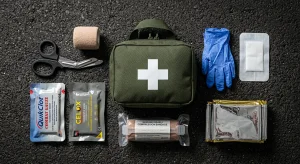
A well-stocked kit is non-negotiable. ANSI Z308.1 standards are a good baseline. Key items:
- Assorted adhesive bandages
- Sterile gauze pads (4x4, 2x2)
- Medical adhesive tape
- Elastic bandages (ACE wraps)
- Antiseptic wipes (e.g., BZK)
- Trauma shears
- Non-latex gloves
- Instant cold packs (chemical, not reusable gel packs)
- Saline wash
- CPR mask (one-way valve)
- Splinting materials (SAM splint)
- Pain relief medication (non-NSAID alternatives if possible, like acetaminophen)
- Emergency contact information for all players
Regularly check expiration dates. Replenish immediately after use.
FAQ
What's the difference between a sprain and a strain?
A sprain is an injury to a ligament, which connects bones. A strain is an injury to a muscle or tendon, which connects muscle to bone. Both involve overstretching or tearing of these tissues, often from sudden movements or impacts common in football or rugby injuries.
Can I just "walk off" a minor injury like a twisted ankle?
No. Even seemingly minor incidents should be assessed. "Walking it off" can worsen an injury, particularly if it's a sprain, small fracture, or if there's developing swelling or instability. Sideline first aid mandates proper evaluation before returning to play.
How do I know if someone has a concussion?
Concussion symptoms vary. Look for headache, dizziness, nausea, confusion, difficulty concentrating, sensitivity to light or sound, or feeling "dazed." If a player receives a significant blow to the head or body and exhibits *any* of these signs, remove them from play immediately. They require a medical professional's assessment. Do not guess. Do not allow them back on the field.